
Why PCOS Got a New Name — and What It Means for Treatment
If you have PCOS, you may have seen news about a name change. In May 2026, a global group of experts — led by Professor Helena Teede and published in The Lancet — officially renamed polycystic ovary syndrome (PCOS) to polyendocrine metabolic ovarian syndrome (PMOS). This came after more than ten years of work, over 22,000 patient surveys, and input from 56 medical and patient groups around the world, including the Endocrine Society.
This isn't just a new label. It's a real shift in how doctors understand and treat this condition.
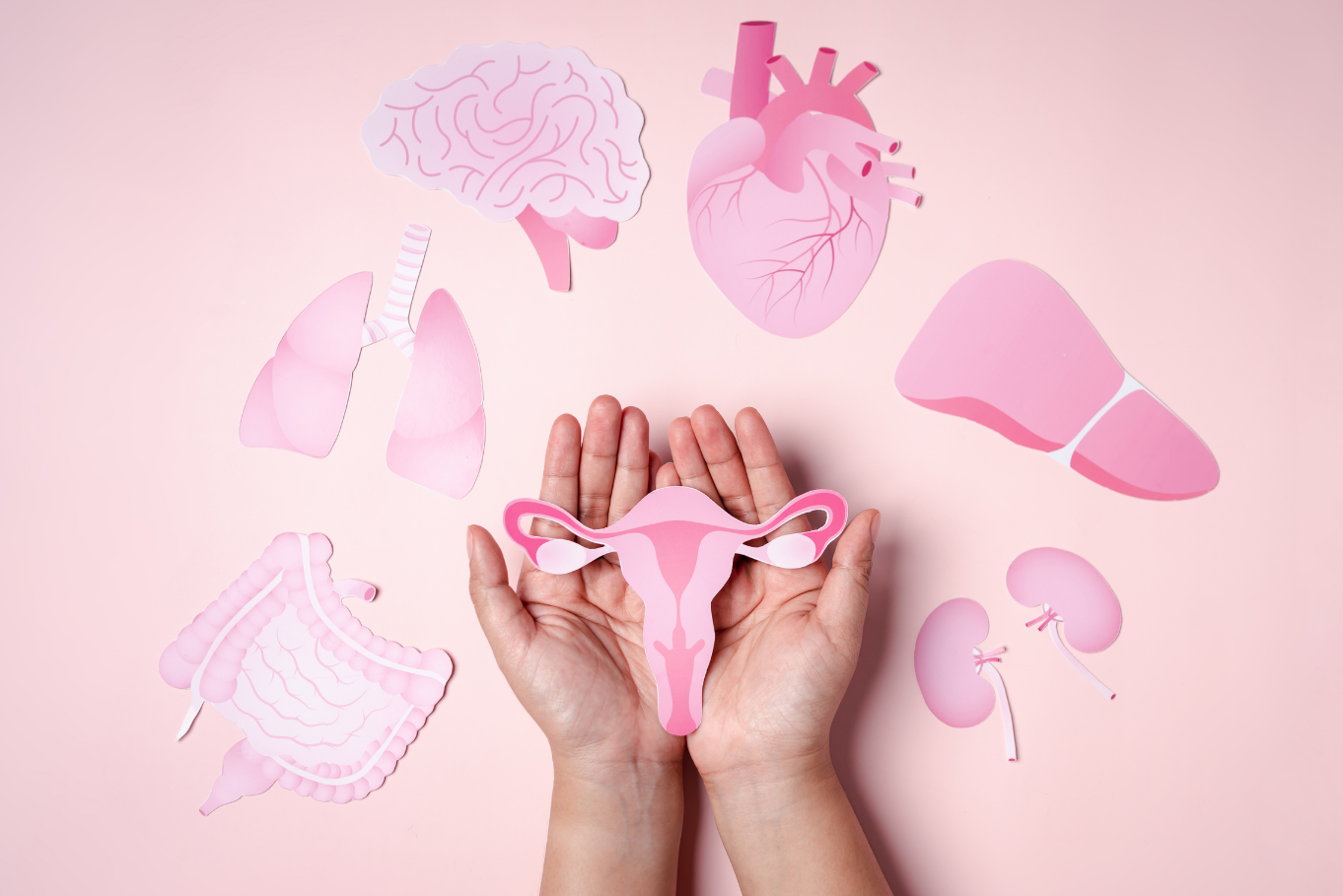
Why the Name Changed
"PCOS" was always a bit misleading. The name makes it sound like ovarian cysts are the main problem, but that's not true — cysts aren't even needed for diagnosis, and PCOS doesn't actually cause more ovarian cysts than normal. Because the old name focused on the ovaries, both patients and doctors often paid most attention to periods and fertility, while the bigger long-term risks — like heart disease and diabetes — got missed. The World Health Organization estimates up to 70% of people with this condition are never diagnosed, partly because of this confusion.
The new name fits what we already knew.
"Polyendocrine" means it's a hormone condition that affects more than one body system, not just the ovaries.
"Metabolic" means insulin resistance is a big part of the picture — it shows up even in people at a normal weight, and it drives much of the long-term heart and diabetes risk. (How common it is varies a lot by study, somewhere between half and 90% of patients.)
"Ovarian" still reflects the reproductive side — irregular ovulation and high androgen hormones — but now it's framed as one piece of the puzzle, not the whole thing.
What Else is New?
A 2023 international guidelines made another helpful update to the PCOS/PMOS diagnosis: a blood test called AMH (anti-Müllerian hormone) can now be used instead of a pelvic ultrasound to check for one of the three diagnostic signs of PMOS. This is a big deal because a blood draw is simpler and less invasive than an ultrasound.
Studies show AMH is a fairly accurate test, correctly identifying PMOS in most cases. A few things to know: AMH isn't needed at all if you already have both high androgens and irregular ovulation, since that's enough for diagnosis on its own. It's also not recommended for teenagers, since it's less reliable in that age group. And the exact cutoff number used to interpret results can vary by lab, age, ethnicity, and weight; there's no single number that applies to everyone yet.

What Doesn't Change: How We Treat It
The diagnosis and treatment haven't really changed — just the framing. Good PMOS care still focuses on treating insulin resistance and high androgens together, since each one makes the other worse: insulin resistance pushes the ovaries and adrenal glands to make more androgens, and high androgens make insulin resistance worse.
Here's how we think about the treatment toolbox.
Insulin-Sensitizing Foundations
Metformin is still the first choice for the metabolic side of PMOS, especially for patients with a BMI of 25 or higher. It helps the body use insulin better, supports modest weight loss, and often helps regulate periods even before other fertility treatments are needed.
Berberine is a plant-based compound that also improves insulin sensitivity. Studies show it works about as well as metformin for insulin resistance and cholesterol, and may work even better for triglycerides and waist size. That said, the research is still based mostly on small studies, and one review found no clear proof that berberine improves fertility outcomes. The usual dose is 500 mg twice a day. We often suggest taking breaks from it — for example, a few months on, then a month off — because of its effects on gut bacteria.
Inositol (usually a combination of myo-inositol and D-chiro-inositol at a 40:1 ratio) is a popular supplement, but the evidence for it is weaker than you might expect. Reviews of the research describe the evidence as limited or low quality. It's a reasonably safe option if you want to try it, but it shouldn't be treated as equal to or better than metformin.
GLP-1 RA medications are a newer option, especially helpful for patients with PMOS who are also dealing with excess weight or strong insulin resistance. Current guidelines say these medications can be considered for weight management, following the same advice used for the general population. Research shows real improvements in BMI, waist size, and insulin resistance. Some studies also show lower testosterone and more regular periods, but a recent review found the evidence for fertility benefits specifically is still unclear. So far, this shouldn't be treated as a fertility treatment on its own.
Vitamin D is probably the most overlooked piece of the metabolic picture. Low vitamin D is common in PMOS, and correcting it has been shown to improve insulin resistance, inflammation, and testosterone levels. One study found that fixing a vitamin D deficiency shortened the time between periods (from about 80 days down to 60), improved hirsutism (excess hair growth), and lowered triglycerides. Think of this less as a PMOS treatment and more as "check your level and fix it if it's low" — since deficiency is common and both testing and treatment are low-risk, it's worth asking your provider about.
NAC (N-acetylcysteine) has been studied in over 2,000 patients across multiple trials, and it's been shown to lower testosterone and raise FSH, with a strong safety record as both an antioxidant and an insulin sensitizer. It hasn't shown a clear effect on follicle count or uterine lining thickness, but one newer study found that adding NAC to a common fertility medication (letrozole) improved pregnancy rates and reduced the amount of fertility medication needed. It's a reasonable add-on, especially for patients trying to conceive.
Omega-3 fatty acids performed well in studies comparing supplements for insulin resistance, and broader research supports omega-3 for lowering insulin and triglyceride levels. Taking omega-3 along with vitamin D may offer extra benefits for testosterone and mood. It's a safe, low-risk option for most people.
Curcumin (the active compound in turmeric) shows promise, though research is still developing. Studies have found it can lower BMI, blood sugar, insulin resistance, cholesterol, and inflammation markers, with few side effects. One study using 500 mg three times a day for 12 weeks also lowered blood sugar and a hormone called DHEA-S. The main downside is that curcumin isn't well absorbed by the body on its own, so look for a formula designed to improve absorption if you try it.
Androgen-Lowering and Cycle-Regulating Options
Spironolactone blocks androgen hormones from acting on the body and also reduces how much testosterone the ovaries and adrenal glands make. It's a go-to medication for excess hair growth and hair thinning, usually starting around 100 mg a day. A recent review supports using a low dose for a short period to manage these symptoms, though results vary and it can take 3 to 6 months or longer to see an effect.
Combined oral contraceptives (the birth control pill) are still a first-choice treatment for irregular periods and excess androgens, usually using a lower-dose estrogen formula. They work mainly by raising a protein called SHBG, which binds up extra testosterone in the blood — rather than through the specific type of progesterone in the pill. That said, some pills (like those containing drospirenone) are chosen specifically because they offer extra help with acne and other high-androgen symptoms.
Progesterone for irregular ovulation deserves its own mention. When ovulation doesn't happen regularly, the uterine lining is exposed to estrogen without enough progesterone to balance it out — which can lead to unpredictable or heavy bleeding, and over time, a thickened uterine lining that raises health risks. This matters especially for younger patients who may not want or need the birth control pill, whether by choice, due to a medical reason, or because they're not sexually active, but who still need protection for the uterus and more predictable periods. A common option is to take progesterone for about 10 to 14 days each month, which triggers a period and helps protect the uterine lining. This same approach is also recommended for inducing a period in patients who haven't had one in more than 90 days. Progesterone alone doesn't address excess androgens or insulin resistance, so it's usually combined with the other treatments above.
Spearmint tea is a low-risk option with some — though limited — supporting research. In one well-known study (42 participants, 30 days), spearmint tea lowered testosterone levels. An earlier study found similar hormone effects, and the benefit seems to come specifically from spearmint, not peppermint. A major review of treatments for excess hair growth mentions spearmint as worth watching, though it's not considered a primary treatment. Think of it as a very low-risk option that's "evidence-informed" rather than strongly proven — not a replacement for spironolactone or birth control pills if hair growth is significant — and keep in mind that people with mast cell activation syndrome or herbal sensitivities should try it carefully.
Fertility-Focused Options
When the goal is to trigger ovulation, letrozole is the preferred first choice, with clomiphene as a backup option. Both are often combined with the insulin-improving treatments above for better results.
The Bottom Line
Whether you call it PCOS or PMOS, this is a whole-body condition — not just a reproductive one. The name change is a chance to shift the conversation away from "ovarian cysts" and toward the hormone and metabolic issues that, when treated early and consistently, can improve almost everything: periods, fertility, skin, hair, mood, and long-term heart health.
If you've been told you have PCOS (or now PMOS) and feel like all you've ever gotten is birth control and a pamphlet, it might be time for a fuller metabolic workup. That's exactly the kind of care we focus on at Phases.
This post is for educational purposes and isn't a substitute for individualized medical advice. Talk to your provider before starting or changing any medication or supplement regimen.
References
Teede HJ, Tay CT, Laven JJE, et al. Recommendations From the 2023 International Evidence-Based Guideline for the Assessment and Management of Polycystic Ovary Syndrome. J Clin Endocrinol Metab. 2023;108(10):2447-2469.
Joham AE, Norman RJ, Stener-Victorin E, et al. Polycystic Ovary Syndrome. Lancet Diabetes Endocrinol. 2022;10(9):668-680.
Teede HJ, Tay CT, Laven J, et al. Recommendations From the 2023 International Evidence-Based Guideline for the Assessment and Management of Polycystic Ovary Syndrome. Hum Reprod. 2023;38(9):1655-1679.
Xie L, Zhang D, Ma H, et al. The Effect of Berberine on Reproduction and Metabolism in Women With Polycystic Ovary Syndrome: A Systematic Review and Meta-Analysis of Randomized Control Trials. Evid Based Complement Alternat Med. 2019;2019:7918631.
Li MF, Zhou XM, Li XL. The Effect of Berberine on Polycystic Ovary Syndrome Patients With Insulin Resistance (PCOS-IR): A Meta-Analysis and Systematic Review. Evid Based Complement Alternat Med. 2018;2018:2532935.
Fitz V, Graca S, Mahalingaiah S, et al. Inositol for Polycystic Ovary Syndrome: A Systematic Review and Meta-Analysis to Inform the 2023 Update of the International Evidence-Based PCOS Guidelines. J Clin Endocrinol Metab. 2024;109(6):1630-1655.
Duan M, Yang M, Li C, et al. Effects of Inositol in Women With Polycystic Ovary Syndrome: An Umbrella Review of Meta-Analyses From Randomized Controlled Trials. Front Endocrinol. 2026;17:1741509.
Lin S, Deng Y, Huang J, et al. Efficacy and Safety of GLP-1 Receptor Agonists on Weight Management and Metabolic Parameters in PCOS Women: A Meta-Analysis of Randomized Controlled Trials. Sci Rep. 2025;15(1):16512.
Austregésilo de Athayde De Hollanda Morais B, Martins Prizão V, de Moura de Souza M, et al. The Efficacy and Safety of GLP-1 Agonists in PCOS Women Living With Obesity in Promoting Weight Loss and Hormonal Regulation: A Meta-Analysis of Randomized Controlled Trials. J Diabetes Complications. 2024;38(10):108834.
Forslund M, Wändell P, Forsberg L, et al. GLP-1 Receptor Agonist Treatment in Women With Polycystic Ovary Syndrome — A Systematic Review and Meta-Analysis. Eur J Endocrinol. 2026;194(3):25-39.
Moiz A, Filion KB, Tsoukas MA, et al. The Expanding Role of GLP-1 Receptor Agonists: A Narrative Review of Current Evidence and Future Directions. EClinicalMedicine. 2025;86:103363.
Olsen EA. Hair Loss in Women. N Engl J Med. 2025;393(15):1509-1520.
Viveiros TM, Deshpande N, Karderinis I, et al. Short-Term, Low-Dose Spironolactone for Treatment of Hyperandrogenic Symptoms of Polycystic Ovary Syndrome — A Systematic Review. Clin Endocrinol. 2026;104(3):179-187.
Fauser BC, Tarlatzis BC, Rebar RW, et al. Consensus on Women's Health Aspects of Polycystic Ovary Syndrome (PCOS): The Amsterdam ESHRE/ASRM-Sponsored 3rd PCOS Consensus Workshop Group. Fertil Steril. 2012;97(1):28-38.e25.
McCartney CR, Marshall JC. Polycystic Ovary Syndrome. N Engl J Med. 2016;375(1):54-64.
Williams T, Moore JB, Regehr J. Polycystic Ovary Syndrome: Common Questions and Answers. Am Fam Physician. 2023;107(3):264-272.
Grant P. Spearmint Herbal Tea Has Significant Anti-Androgen Effects in Polycystic Ovarian Syndrome. A Randomized Controlled Trial. Phytother Res. 2010;24(2):186-188.
van Zuuren EJ, Fedorowicz Z, Carter B, Pandis N. Interventions for Hirsutism (Excluding Laser and Photoepilation Therapy Alone). Cochrane Database Syst Rev. 2015;(4):CD010334.
Teede HJ, Tay CT, Laven J, et al. Recommendations From the 2023 International Evidence-Based Guideline for the Assessment and Management of Polycystic Ovary Syndrome. Fertil Steril. 2023;120(4):767-793.
Vale-Fernandes E, Pignatelli D, Monteiro MP. Should Anti-Müllerian Hormone Be a Diagnosis Criterion for Polycystic Ovary Syndrome? An In-Depth Review of Pros and Cons. Eur J Endocrinol. 2025;192(4):R29-R43.
Gomes MO, Gomes JO, Ananias LF, et al. Anti-Müllerian Hormone as a Diagnostic Marker of Polycystic Ovary Syndrome: A Systematic Review With Meta-Analysis. Am J Obstet Gynecol. 2025;232(6):506-523.e7.
Barghi M, Heidari Z, Haghighatdoost F, Feizi A, Hashemipour M. New Insights Into the Relationship of Antimüllerian Hormone With Polycystic Ovary Syndrome and Its Diagnostic Accuracy: An Updated and Extended Meta-Analysis Using a Marginal Beta-Binomial Model. Am J Obstet Gynecol. 2025;232(2):164-187.e31.
Wu B, Yao J. A Meta-Analysis of the Effects of Vitamin D Supplementation on Endocrine Metabolic and Inflammatory Markers in Patients With Polycystic Ovarian Syndrome. Medicine (Baltimore). 2026;105(1):e46892.
Zhang B, Yao X, Zhong X, Hu Y, Xu J. Vitamin D Supplementation in the Treatment of Polycystic Ovary Syndrome: A Meta-Analysis of Randomized Controlled Trials. Heliyon. 2023;9(3):e14291.
Irani M, Seifer DB, Grazi RV, et al. Vitamin D Supplementation Decreases TGF-β1 Bioavailability in PCOS: A Randomized Placebo-Controlled Trial. J Clin Endocrinol Metab. 2015;100(11):4307-4314.
Shahveghar Asl Z, Parastouei K, Eskandari E. The Effects of N-Acetylcysteine on Ovulation and Sex Hormones Profile in Women With Polycystic Ovary Syndrome: A Systematic Review and Meta-Analysis. Br J Nutr. 2023;130(2):202-210.
Fang YQ, Ding H, Li T, et al. N-Acetylcysteine Supplementation Improves Endocrine-Metabolism Profiles and Ovulation Induction Efficacy in Polycystic Ovary Syndrome. J Ovarian Res. 2024;17(1):205.
Amer NA, Aldababseh SB, Gawad DAHA, et al. Oxidative Stress and the Therapeutic Potential of Dietary Antioxidants in Polycystic Ovary Syndrome: A Narrative Review. J Ovarian Res. 2026;19(1):171.
Zhao G, Fan Y, Li R, et al. The Effectiveness of Nutritional Supplements in Improving Polycystic Ovary Syndrome in Women: A Systematic Review and Network Meta-Analysis. Reprod Biol Endocrinol. 2025;23(1):94.
Jamilian M, Samimi M, Mirhosseini N, et al. The Influences of Vitamin D and Omega-3 Co-Supplementation on Clinical, Metabolic and Genetic Parameters in Women With Polycystic Ovary Syndrome. J Affect Disord. 2018;238:32-38.
Shen W, Qu Y, Jiang H, et al. Therapeutic Effect and Safety of Curcumin in Women With PCOS: A Systematic Review and Meta-Analysis. Front Endocrinol. 2022;13:1051111.
Heshmati J, Moini A, Sepidarkish M, et al. Effects of Curcumin Supplementation on Blood Glucose, Insulin Resistance and Androgens in Patients With Polycystic Ovary Syndrome: A Randomized Double-Blind Placebo-Controlled Clinical Trial. Phytomedicine. 2021;80:153395.
Khamar T, Jahani N, Jafari-Nozad AM, Farkhondeh T, Samarghandian S. Beneficial Effects of Curcumin in Polycystic Ovary Syndrome: A Review of Recent Literature and Underlying Mechanisms. Curr Med Chem. 2025;32(33):7297-7313.
Teede HJ, Bahri Khomami M, Morman R, et al. Polyendocrine Metabolic Ovarian Syndrome, the New Name for Polycystic Ovary Syndrome: A Multistep Global Consensus Process. Lancet. 2026.
