

Where complex becomes clear.

Why Protecting Your Joints May Be At Odds With Protecting Your Bones
If you're hypermobile, protecting your joints is important, but your bones need loading too. Learn how gradual impact, resistance training, and individualized exercise can support bone health during menopause.

You Don't Need a Better Memory. You Need a Better System.
Brain fog, difficulty concentrating, and memory problems can occur with hEDS, HSD, POTS, MCAS, ADHD, and perimenopause. Discover how external scaffolding may help reduce cognitive load.

The Case for Adding to Your Plate Instead of Cutting From It
Crowding in means adding nutrient-dense, anti-inflammatory foods to what you already eat. Build a plate that's about half vegetables, a quarter protein, and a quarter carbs plus a source of good fat. One plate, once a day, built by adding foods, not by crossing anything off.
Why Your Nervous System Needs a Cue, Not Just a Bedtime
A consistent wind-down cue can help your nervous system recognize that sleep is coming. For bodies navigating dysautonomia, POTS, MCAS, hEDS, HSD, and related presentations, a simple repeated ritual may make the transition to rest a little easier.

Why Your Caffeine Cutoff Might Need to Be Earlier Than Everyone Else's
Caffeine affects everyone differently, especially with dysautonomia, POTS, MCAS, ADHD, and perimenopause. Learn how caffeine timing, hormones, and your individual response can affect sleep and symptoms — and why noon-to-2pm may be a useful place to start.

Your Symptoms Aren’t Random. The Patterns May Be Easier to See Than You Think.
For people navigating hypermobility, MCAS, dysautonomia, POTS, or perimenopause, tracking a few simple daily symptoms alongside your cycle can help reveal connections that are easy to miss in the moment. Here’s how to start mapping your symptoms, identifying potential triggers, and gathering useful information to bring to your care team.
Is It Time to Rethink the Humble Oral Estrogen Pill?
Is it time to rethink the oral estrogen pill? While transdermal estrogen, including patches, gels, and sprays, is often preferred because it avoids first-pass metabolism and has a lower risk of blood clots, oral estrogen still has a place in menopause treatment. The choice between oral estrogen and transdermal estrogen depends on individual factors, including migraine with aura, personal or family history of blood clots, high triglycerides, and cardiovascular risk factors.

Your Nervous System Needs a Toolkit. Here's Where to Start.
A nervous system with regulation tools available to it responds to every other input differently. Learn where to start with vagal activation and nervous system regulation tools.
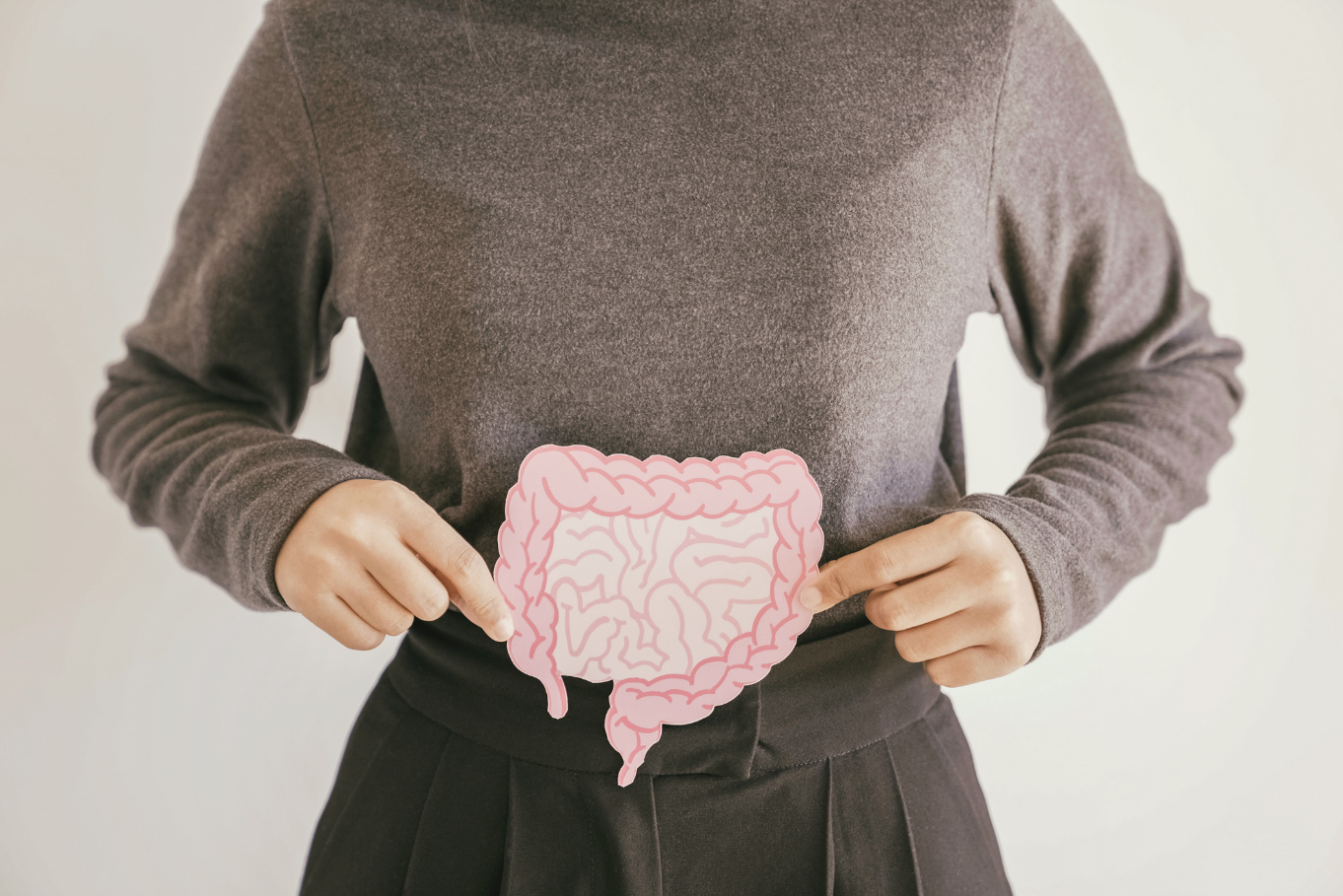
Your Gut and Your Brain Are in Constant Conversation. Here's Why It Gets Complicated With MCAS.
The gut-brain connection influences mood, pain, immune regulation, and nervous system function. Discover how MCAS, POTS, dysautonomia, and perimenopause complicate this relationship and what practical strategies may better support your body.
When Everything Feels LOUD: Sensory Overload, Hypermobility, and the Nervous System
Everything feels loud — smells, lights, sounds, and textures can become overwhelming. Learn why sensory overload happens with hypermobility, dysautonomia, MCAS, and perimenopause.
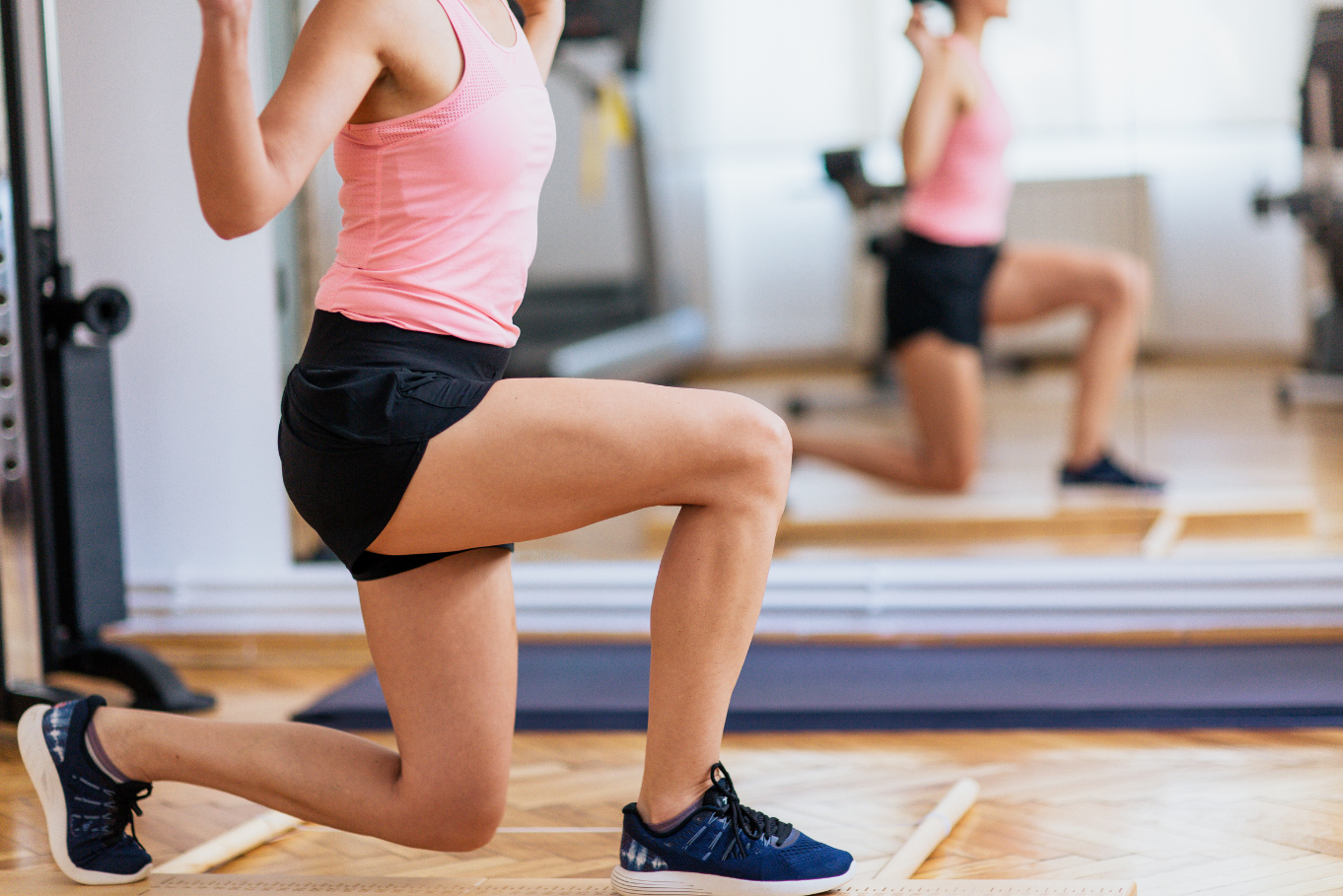
Why the Usual Advice About Exercise Gets It Backwards for Hypermobile Bodies
If you have hypermobility and you've tried to follow standard exercise advice, you've probably noticed something: it doesn't quite work the way it's supposed to. The reason isn't a lack of effort—it's a mismatch between what your body actually needs and what most exercise advice was built for. Learn why stability, control, and joint protection matter more than flexibility for hypermobile bodies.

The Two Habits That Anchor Your Sleep (When Everything Else Is Unpredictable)
Most sleep advice assumes a stable body. If you live with hypermobility, POTS, MCAS, chronic pain, or perimenopause, these two simple habits can help anchor your sleep—even when your symptoms aren't predictable.
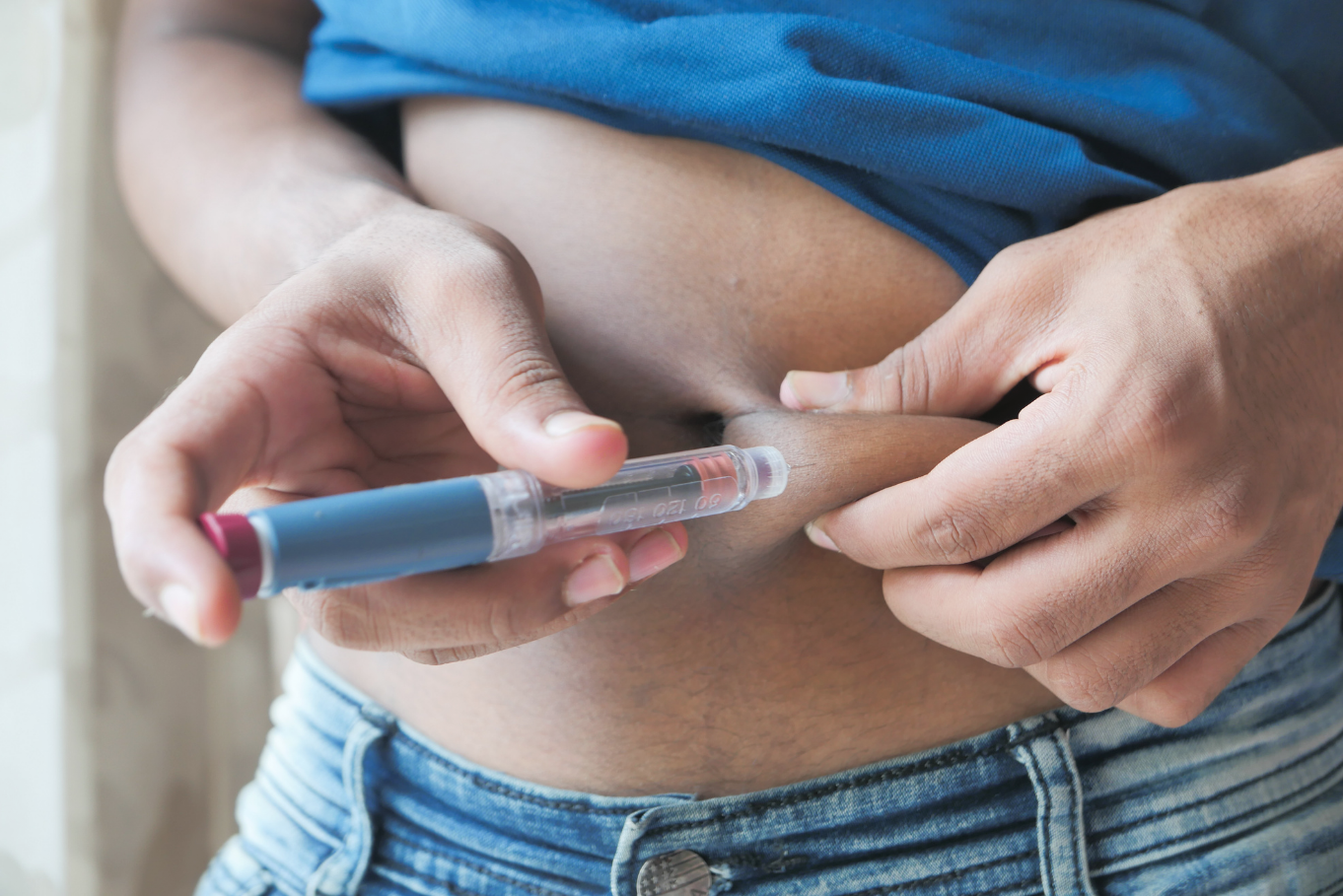
GLP-1s and Mast Cell Activation: What If You Also Have POTS?
Could a GLP-1 medication help calm mast cells if you also have POTS? Learn what the latest research says about GLP-1s, MCAS, dysautonomia, and how these medications may affect heart rate, blood pressure, and symptoms.

Protein at Menopause Isn't About Weight. Here's What It's Actually For
Most of the conversation about protein at midlife lives inside diet culture. But protein is worth paying attention to right now—not for weight loss, but because it helps maintain the muscle that supports your joints, mood, energy, and metabolic function as estrogen declines.
Why Hydration Hits Differently When You Have Dysautonomia or POTS — and Why Summer Makes It Harder
Summer heat can make dysautonomia and POTS symptoms worse. Learn why hydration, sodium, compression wear, and simple daily strategies can help support your nervous system and reduce orthostatic symptoms.
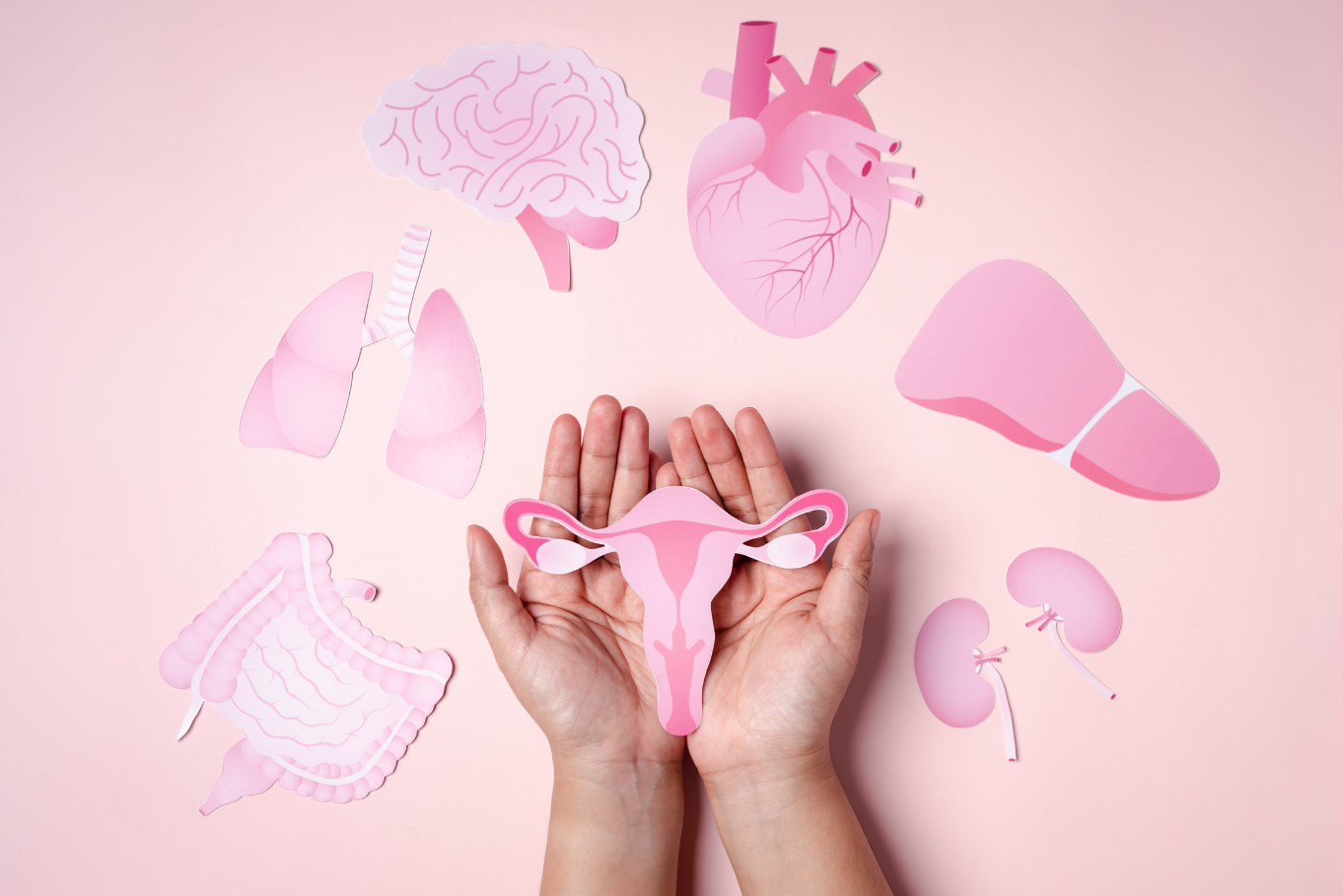
Why PCOS Got a New Name — and What It Means for Treatment
For years, the name focused attention on the ovaries. But what if the ovaries were only one part of a much bigger story? A new name reflects a new understanding—one that changes how this condition is viewed and why treatment has always needed to go beyond reproductive health.

The Diagnosis That Perimenopause Gave Me Before the Psychiatrist Did
The weight gain. The mid-afternoon exhaustion. The seemingly dementia moments. The loss of hearing. At first glance, they don't seem connected. But sometimes a collection of symptoms that appears unrelated is actually part of a much bigger picture waiting to come into view.
"Just Lose Weight." Why So Many People With Lipedema Wait Decades for an Answer
For many patients, the symptoms begin long before anyone names them. Disproportionate fat distribution, pain, tenderness, easy bruising, and fat that doesn't respond to diet or exercise are often dismissed or attributed to lifestyle factors. Discover why lipedema is so commonly missed and what providers should be looking for.

How Systemic Racism Shows Up in Your Health Today
From severe menopause symptoms and fibroids to undertreated pain and earlier cardiovascular risk, the effects of systemic racism show up across the lifespan. Here's what the research tells us about those disparities and why they matter.

ADHD and Hormones: How Every Life Stage Shapes the Story
ADHD doesn’t stay the same across a lifetime — and hormones are one of the biggest reasons why. From puberty to postpartum, shifting estrogen and progesterone levels can dramatically affect focus, emotional regulation, impulsivity, and even how well ADHD medications work. If you’ve ever felt like your symptoms change with your cycle, pregnancy, or perimenopause, the research increasingly shows: you’re not imagining it.