
Your Gut and Your Brain Are in Constant Conversation. Here's Why It Gets Complicated With MCAS.
You've probably seen the headlines: gut health affects mood. The microbiome influences anxiety. Probiotics might help with depression. Fermented foods are having a moment.
Most of that content was written for a gut that isn't also managing MCAS, histamine sensitivity, or dysautonomia. For this population, the standard advice — eat more fermented foods, take a probiotic, diversify your diet — is at best incomplete and at worst actively counterproductive.
The gut-brain connection is real and worth understanding. But what it looks like in practice for hypermobile, mast-cell-reactive bodies is different enough that it deserves its own conversation.
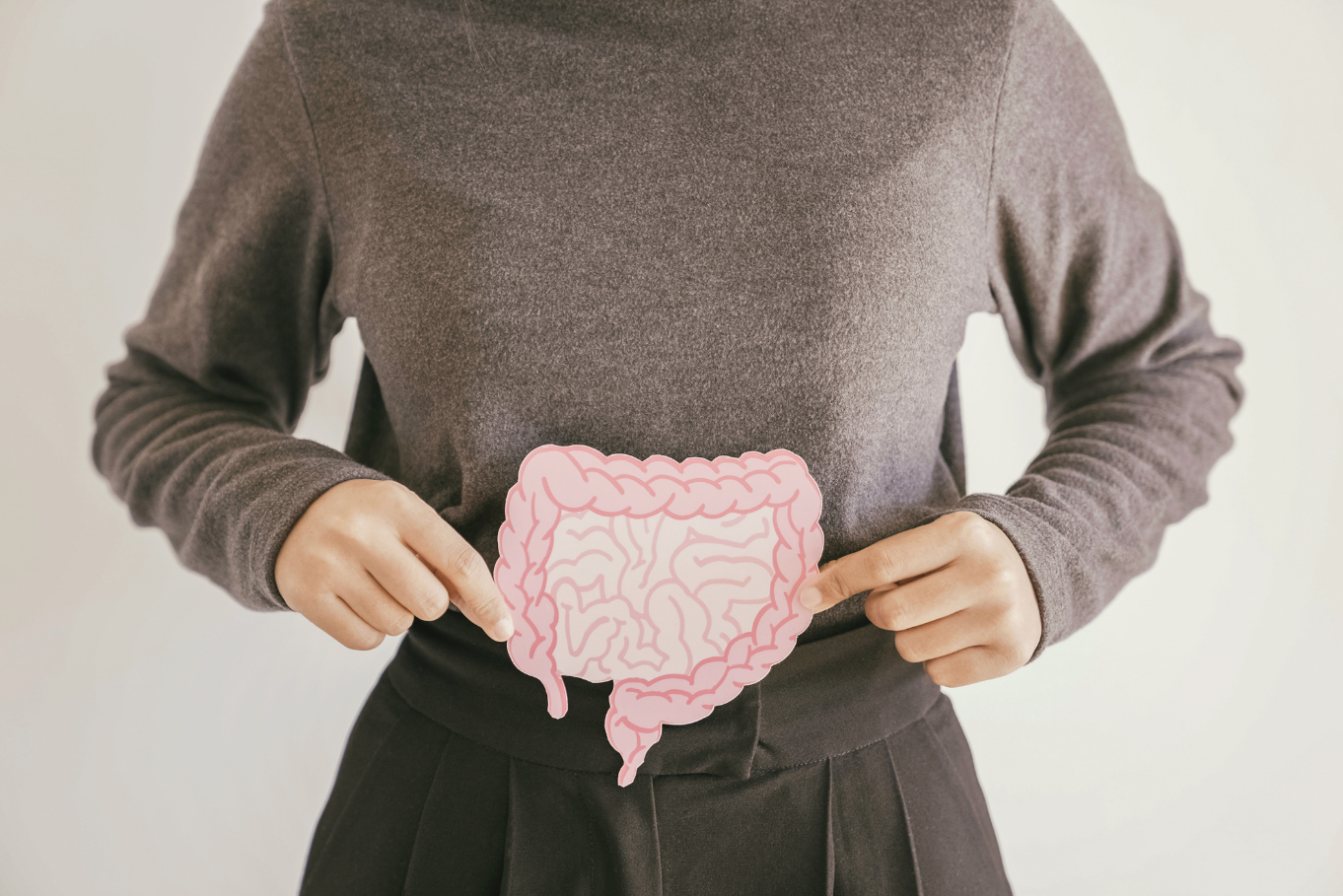
The gut-brain axis: what's actually happening
Your gut and your brain are in constant two-way communication through a network that includes the vagus nerve, the immune system, and the enteric nervous system — the dense web of neurons lining your digestive tract, sometimes called the "second brain."
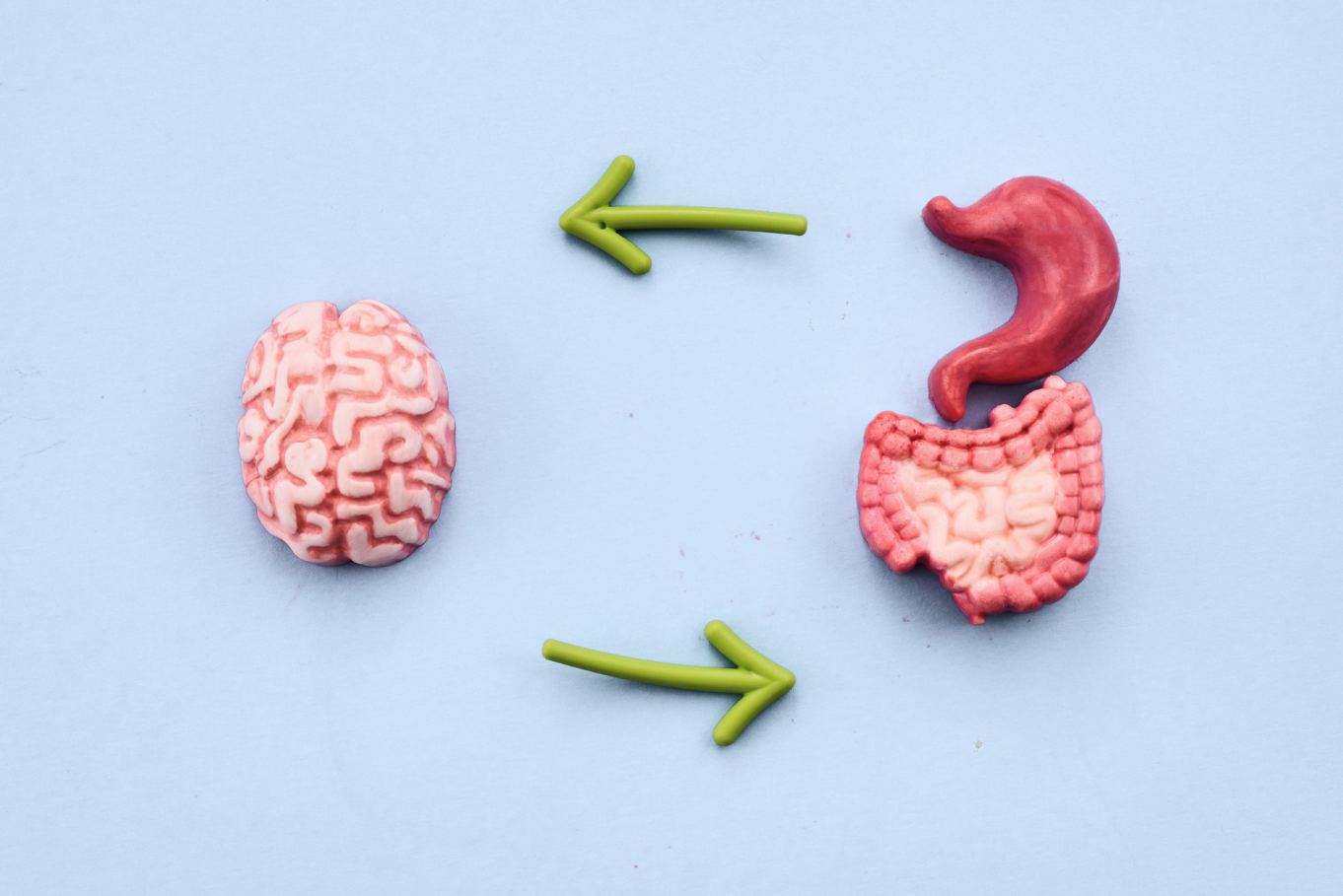
The vagus nerve is the main highway of this communication. It runs from the brainstem down through the chest and into the abdomen, carrying signals in both directions. When your gut is inflamed, irritated, or dysregulated, those signals travel upward and affect how the brain perceives threat, regulates mood, and modulates pain. When your nervous system is in a state of chronic stress or dysregulation, those signals travel downward and affect gut motility, secretion, and immune activation.
This is part of why anxiety and gut symptoms so often travel together in this population. It's not one causing the other in a simple direction — they're in a feedback loop, and either end of the loop can be the entry point.
The gut also houses a large proportion of the body's immune tissue and is home to trillions of microorganisms — bacteria, fungi, viruses — that collectively make up the microbiome. These microorganisms influence immune regulation, produce metabolites that affect brain function, and interact with the enteric nervous system in ways that research is still mapping. The microbiome doesn't work in isolation from the rest of the body. It's responsive to what you eat, how you sleep, how stressed you are, and — relevant here — to hormonal changes.
Dysautonomia makes this more complicated
For people with POTS and dysautonomia, the gut-brain connection has an additional layer: autonomic control of gut function.
The autonomic nervous system regulates gut motility — the rhythmic contractions that move food through the digestive tract. When autonomic function is dysregulated, gut motility is often dysregulated alongside it. GI symptoms are reported by a large proportion of people with POTS — nausea, abdominal pain, irregular bowel movements, and bloating are among the most common. Some people experience delayed emptying, while others experience rapid emptying.
This matters for the gut-brain conversation because a gut that's dysregulated is a gut that's more likely to produce symptoms that feed back into the nervous system and compound overall symptom burden. Managing dysautonomia helps the gut. Supporting the gut reduces nervous system load. The two are not separate problems.
Menopause and the gut microbiome
Estrogen, progesterone, and androgen receptors are all present in the gut — in the intestinal lining, smooth muscle, and enteric nervous system. This means the GI tract is directly responsive to hormonal changes, not just adjacent to them.
As estrogen and progesterone fluctuate in perimenopause, many people notice new or worsening gut symptoms: bloating that seems to come from nowhere, constipation during the luteal phase, loose stools around the time of a period, or a gut that simply feels more reactive than it used to. These aren't coincidental. Progesterone slows gut motility — which is why constipation tends to be more common in the luteal phase. Estrogen influences gut permeability and immune activation in the intestinal lining. Lower androgen levels are associated with slower gut transit. When all three are shifting unpredictably, the gut feels it.
The estrobolome — the subset of gut bacteria that produce enzymes enabling estrogen recirculation — sits at the intersection of microbiome health and hormonal regulation. How well the estrobolome functions may influence how efficiently estrogen is processed and recycled, which in turn may affect circulating levels. The effects of the menopause transition on the estrobolome is an active area of research.
The MCAS problem with standard gut health advice
Here's where most gut health content misses this population entirely.
The default recommendations for supporting the gut microbiome — fermented foods, high-fiber diversity, aged cheeses, kombucha, kimchi, sauerkraut — are also some of the highest-histamine foods in existence. For people with MCAS or histamine intolerance, these foods don't support the gut. They trigger it.
Histamine is produced by bacteria during fermentation and aging processes. The longer a food ferments or ages, the higher its histamine content. This is why yogurt, kefir, aged cheese, vinegar-based foods, and leftover proteins that have been sitting in the fridge for a day or two are common triggers for people with mast cell reactivity — not because of any individual ingredient, but because of bacterial histamine production over time.
The practical result: the most-recommended gut health strategy can produce headaches, flushing, gut pain, and systemic mast cell symptoms in this population. Following standard advice and feeling worse afterward doesn't mean you did it wrong. It means the advice wasn't written for your biology.
Worth noting: these symptoms overlap with many other conditions — IBS, medication effects, FODMAP intolerance, and others — so it's worth working with a clinician and dietitian who know your full picture before making significant dietary changes. Restrictive diets are well-intentioned but can lead to nutritional gaps and may have unclear benefit without a clear diagnosis guiding them.
What actually works for this population
Focus on diversity without fermentation. The microbiome responds to dietary variety — different plant foods feed different bacterial populations. The goal is a wide range of fresh vegetables, fruits, legumes, and whole grains, rotated regularly. This supports microbiome diversity without the histamine load that comes with fermented foods. If tolerated, dietary fiber can provide prebiotics that feed beneficial bacteria.
Fresh is better than aged. Freshly cooked protein that you eat immediately has a lower histamine load than the same protein left to sit. This is most clearly documented for fish and seafood, where histamine accumulates relatively quickly during storage — freezing immediately after purchase and cooking from frozen significantly slows that process. For other proteins the data are less clear, but the general principle of fresh-over-stored is a reasonable practical approach.
Probiotic foods — don't assume you'll react, but take notes. Fermented and probiotic-rich foods are still considered healthful for most people, and MCAS reactivity to them is individual, not universal. Rather than avoiding them wholesale, try a variety — small amounts, one at a time — and track your response carefully. You may find options you tolerate well. Some people do better with certain formats (fresh yogurt vs. aged cheese, for example) than others.
If you want to keep working toward probiotic foods, diamine oxidase (DAO) enzyme supplements are sometimes used alongside higher-histamine meals. DAO is the primary enzyme that breaks down ingested histamine in the intestinal lining. Clinical evidence for supplementation is limited and product quality varies, so if you decide to try it, look for a third-party tested product.
Probiotic supplements are an alternative for people who consistently react to fermented foods, since they deliver beneficial strains without the fermentation-derived histamine. If you go this route, look for products with a clean ingredient list — free of fillers, artificial sweeteners, and binders that may themselves be triggers.
Strain selection matters. For mood and nervous system support, Bifidobacterium strains (like longum and breve) and Lactobacillus strains (like rhamnosus and plantarum) have a growing body of evidence, but studies are small and require replication. Meanwhile, other strains like Lactobacillus reuteri may drive further histamine production. Tolerance is individual and may require some trial and error to find what you can actually work with.
Manage the nervous system to help the gut. Because the gut-brain axis runs in both directions, nervous system regulation practices — breathwork, vagal tools, adequate sleep — reduce the downward signal that dysregulates gut motility and immune activation. The gut habits and the nervous system habits in The BENDY Method are sequenced the way they are for this reason: you can't fully optimize one without the other.
The bigger picture
The gut-brain habit in The BENDY Method comes after weeks of sleep, nutrition, and early nervous system work — because the foundations those habits build change what the gut can do with support. A body that's sleeping more consistently, eating more anti-inflammatory foods, and beginning to regulate its nervous system is a body whose gut is already in a better position to respond.
The BENDY Method is a 12-week habit-based course for perimenopause and menopause in bodies with hEDS, HSD, MCAS, POTS, dysautonomia, and related presentations.
Join the waitlist to be first to know when enrollment opens.
References
Akaras E, Deniz G, Eymir M, Sönmez M. The Effects of Joint Hypermobility on Strength, Proprioception, and Functional Performance. Scientific Reports. 2025;15(1):40529.
Calleja-Agius J, Brincat M. The Effect of Menopause on the Skin and Other Connective Tissues. Gynecological Endocrinology. 2012;28(4):273–277.
Dupuy EG, Leconte P, Vlamynck E, et al. Ehlers-Danlos Syndrome, Hypermobility Type: Impact of Somatosensory Orthoses on Postural Control (A Pilot Study). Frontiers in Human Neuroscience. 2017;11:283.
Keer R, Simmonds J. Joint Protection and Physical Rehabilitation of the Adult With Hypermobility Syndrome. Current Opinion in Rheumatology. 2011;23(2):131–136.
Pingel J, Langberg H, Skovgård D, et al. Effects of Transdermal Estrogen on Collagen Turnover at Rest and in Response to Exercise in Postmenopausal Women. Journal of Applied Physiology. 2012;113(7):1040–1047.
Russek LN, Stott P, Simmonds J. Recognizing and Effectively Managing Hypermobility-Related Conditions. Physical Therapy. 2019;99(9):1189–1200.
Sheehan DS, Oliemans JP, Golden DW, et al. To What Extent Do the Muscles and Tendons Influence Metabolic Cost and Exercise Tolerance in the Hypermobile Ehlers-Danlos Syndrome and Hypermobility Spectrum Disorders? Clinical Biomechanics. 2025;131:106695.
Hakim A. Hypermobile Ehlers-Danlos Syndrome. GeneReviews. Updated 2024 Feb 22.
Lowe CJM, Wilson B, Seenan C. Physiotherapy Management of Hypermobility Spectrum Disorders in Children, Young People and Adults. Physiotherapy Theory and Practice. 2022;38(13):2543–2556.
Pacey V, Tofts L, Adams RD, Munns CF, Nicholson LL. Exercise in Children With Joint Hypermobility Syndrome and Pain: A Trial of Physiotherapy Providing Education and Exercise. Pediatric Rheumatology Online Journal. 2013;11:30.
Palmer S, Bailey S, Barker L, Barker L, Elliott A. The Effectiveness of Therapeutic Exercise for Joint Hypermobility Syndrome: A Systematic Review. Physiotherapy. 2014;100(3):220–227.
Rombaut L, Malfait F, De Wandele I, et al. Muscle Mass, Muscle Strength, Functional Performance, and Physical Impairment in Women With the Hypermobility Type of Ehlers-Danlos Syndrome. Arthritis Care and Research. 2012;64(10):1584–1592.
Scheper M, de Vries JE, Verbunt J, Engelbert RHH. Chronic Pain in Hypermobility Syndrome and Ehlers-Danlos Syndrome (Hypermobility Type): It Is a Challenge. Journal of Pain Research. 2015;8:591–601.
Smith TO, Jerman E, Easton V, et al. Do People With Benign Joint Hypermobility Syndrome (BJHS) Have Reduced Joint Proprioception? A Systematic Review and Meta-Analysis. Rheumatology International. 2013;33(11):2709–2716.
Tinkle B, Castori M, Berglund B, et al. Hypermobile Ehlers-Danlos Syndrome: Clinical Description and Natural History for the ICD-11 Era. American Journal of Medical Genetics Part C. 2017;175(1):48–69.
Yew KS, Kamps-Schmitt KA, Borge R. Hypermobile Ehlers-Danlos Syndrome and Hypermobility Spectrum Disorders. American Family Physician. 2021;103(8):481–492.
