

Where complex becomes clear.

The Asian American Experience with Menopause: Navigating Cultural Nuances and Health Challenges
Menopause is a universal transition, but for Asian and Asian American women, cultural beliefs, social context, and health access shape how symptoms are experienced, reported, and managed—often in ways that differ from Western narratives of menopause.
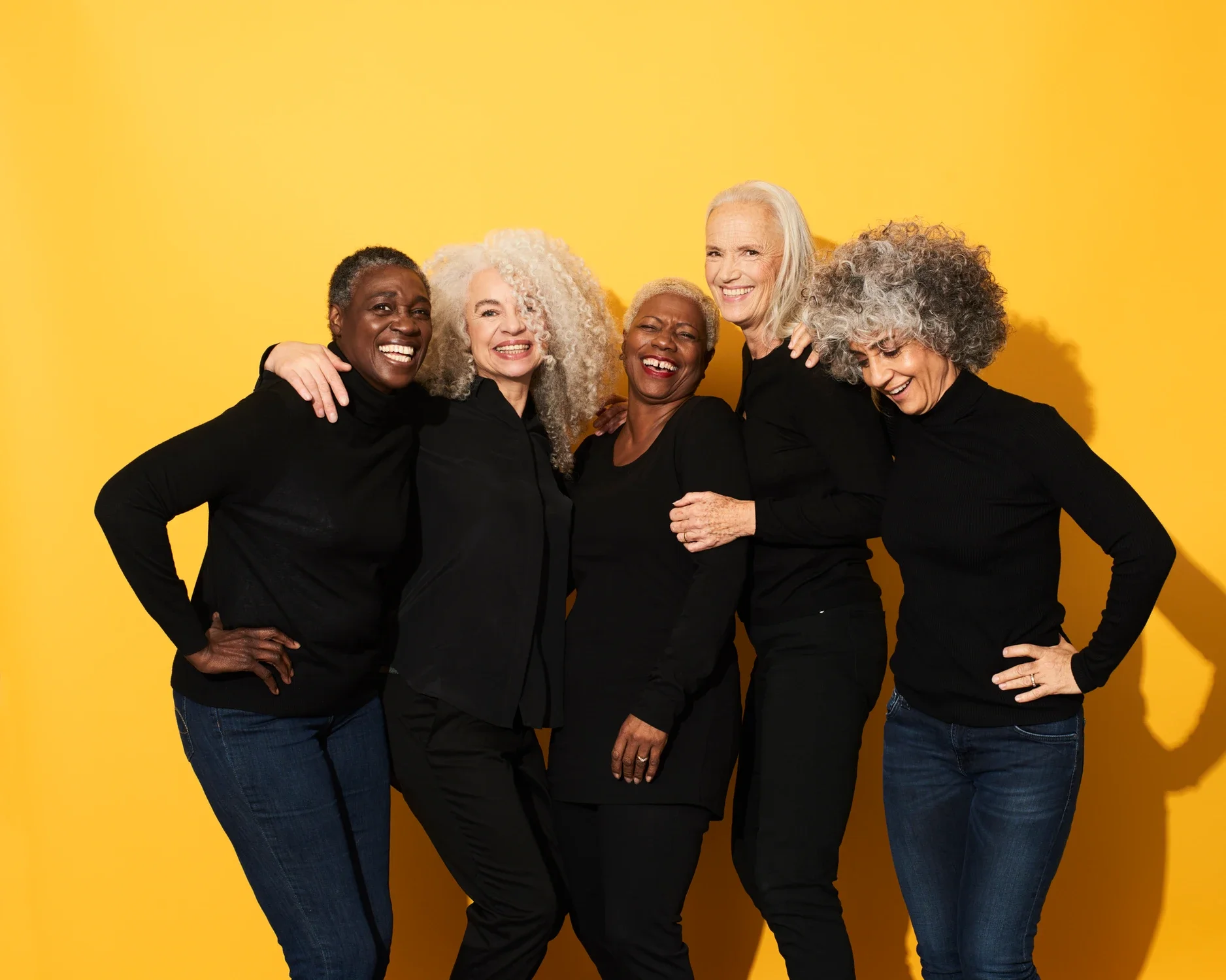
Embracing Diversity: Menopause Experiences Across Ethnicities
Menopause experiences differ across ethnicities. The SWAN Study found variation in age at final menstrual period and symptom prevalence—Latinx and Black women reported higher rates of hot flashes, night sweats, and sleep disturbances, while Chinese and Japanese women reported fewer symptoms. These differences highlight the influence of social, cultural, and health factors, emphasizing the need for culturally sensitive and equitable menopause care.
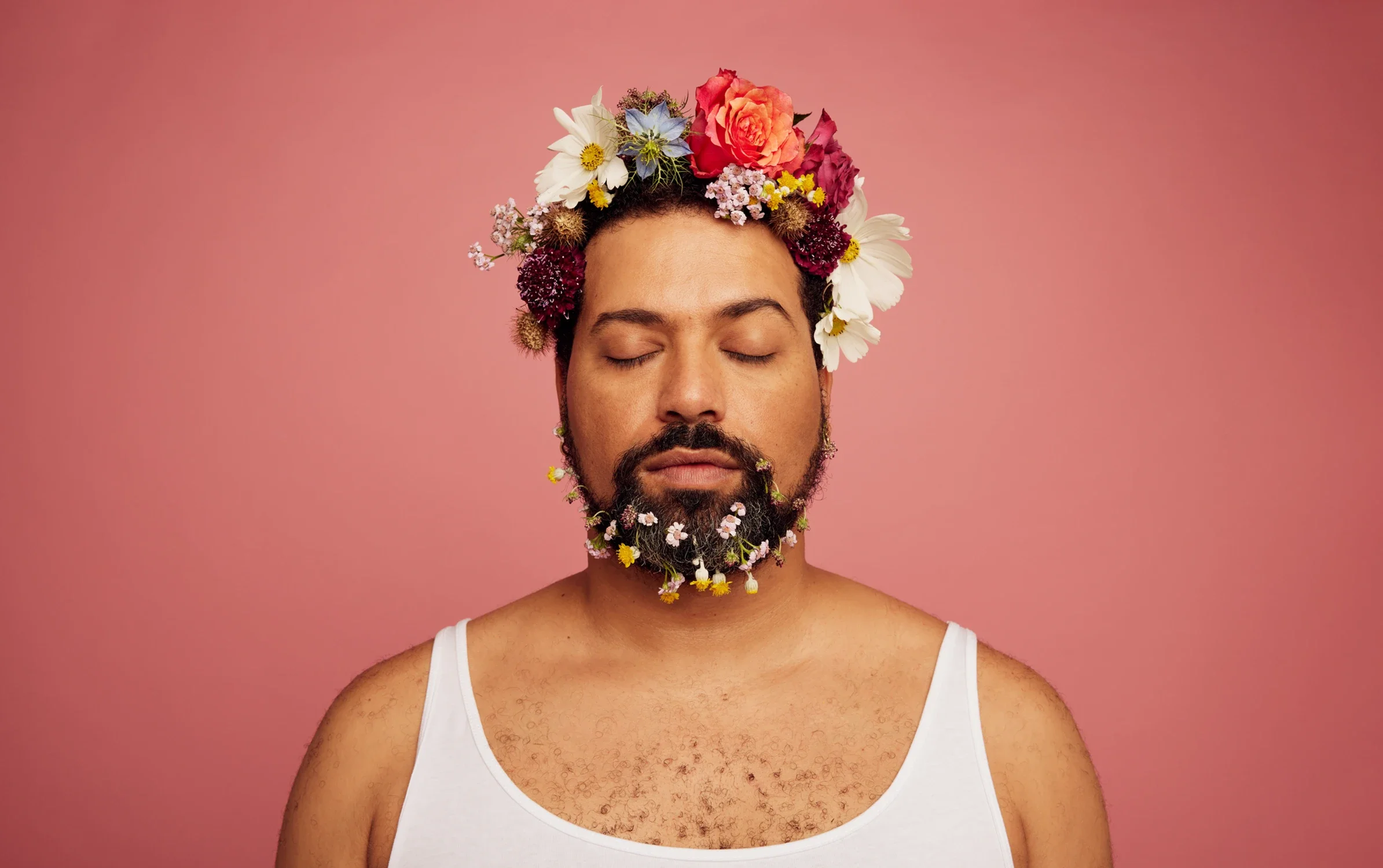
Menopause Treatment in Gender Diverse Individuals: What You Need to Know
Menopause is not limited to cisgender women—gender diverse AFAB individuals, trans men, and transfeminine people can experience menopause or menopause-like symptoms. Treatment should be individualized, balancing symptom relief, quality of life, and gender-affirming goals. Options include menopausal hormone therapy, non-hormonal medications, supplements, and behavioral strategies, all tailored in collaboration with competent, affirming healthcare providers.
The Unfair Burden of Fibroids on Black Women
Fibroids disproportionately affect Black women, causing heavier symptoms and more complications. Despite this higher burden, Black women are less likely to receive conservative treatments and more likely to undergo hysterectomy. It’s essential to seek care from knowledgeable providers and explore all treatment options to protect reproductive health and overall well-being.