
Does Lemon Balm Increase Estrogen?
Does Lemon Balm Increase Estrogen?
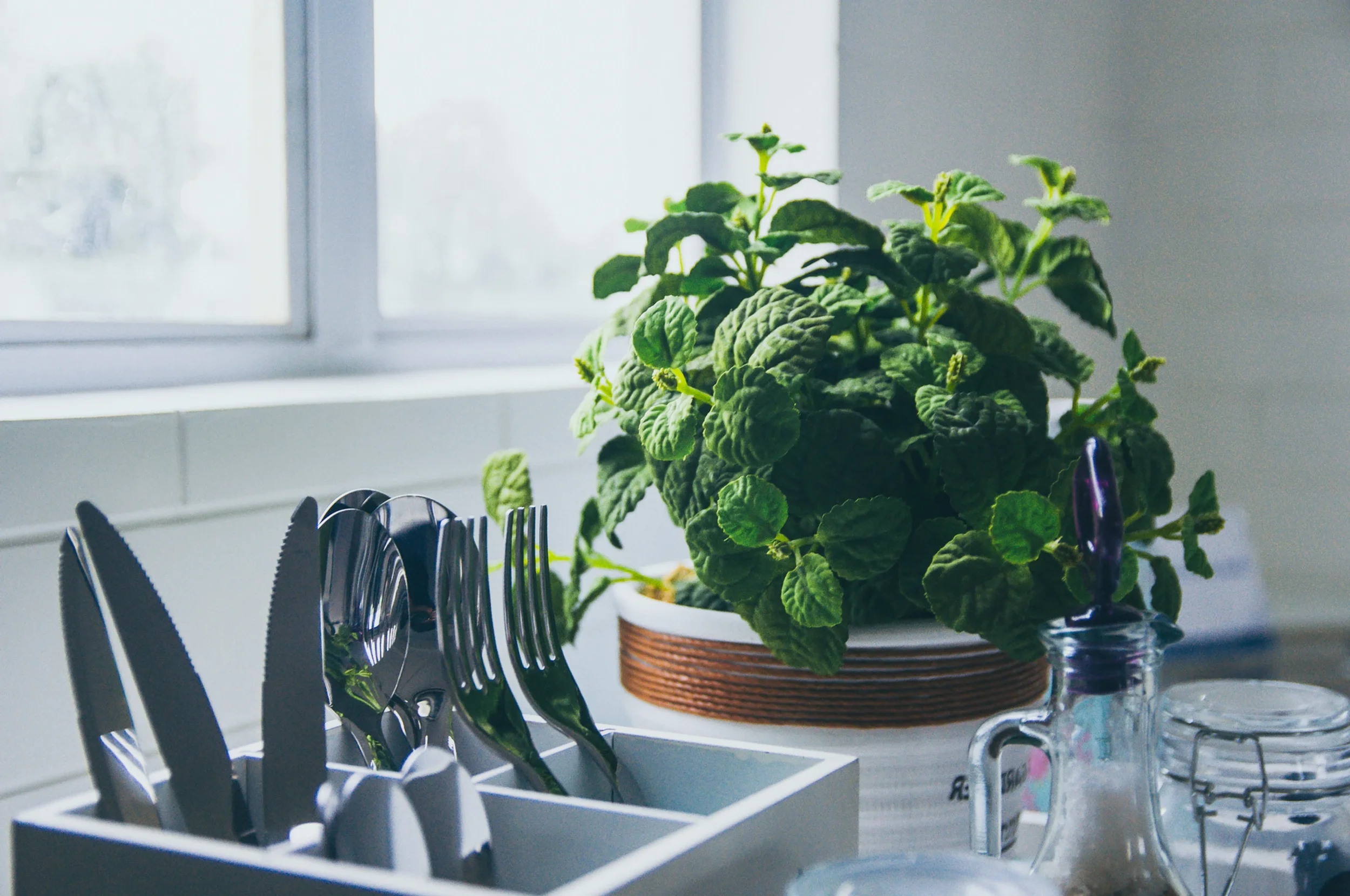
Lemon balm, also known as Melissa officinalis, is a popular herb in the mint family, celebrated for its calming effects and various health benefits. Does it increase estrogen levels? The short answer is no, but it has been found helpful in low estrogen conditions such as PMS and menopause. Let’s dive into the science and see what we find.
What is Lemon Balm?
Lemon balm has been used for centuries in traditional medicine to improve sleep, reduce anxiety, and even treat wounds. It’s commonly consumed as a tea, supplement, or essential oil. The herb contains compounds like rosmarinic acid, which have antioxidant and antimicrobial properties (1). Although it has been studied for a variety of complaints, it has the best evidence for stress, PMS, and anxiety (2).
Benefits for PMS
In a 2015 randomized controlled trial (RCT), high school girls received 1200 mg lemon balm daily or placebo for 3 cycles. Those given lemon balm showed a significant reduction in PMS symptoms (3). A similar 2018 study also found improvements in PMS symptoms after 3 months of 600 mg lemon balm twice daily (4). A third study found that 600 mg lemon balm daily, or an educational program, both effectively reduced PMS symptoms over placebo (5). The limitations are that these were all small studies, and only conducted in high school girls.
Benefits During Menopause
One RCT found that 500 mg lemon balm daily performed significantly better than both placebo and citalopram (an antidepressant) for improved quality of life in postmenopausal women with sleep disturbance. Measures of vasomotor symptoms, psychosocial symptoms, physical symptoms, and sexual symptoms were all significantly improved (6).
Another RCT similarly found that 2 months of lemon balm supplementation significantly improved the score on the Menopause Rating Scale versus placebo (7).
Other Benefits of Lemon Balm
Lemon balm has been the most researched for mood. A 2021 systemic review and meta-analysis found that supplementation with lemon balm significantly improved anxiety and depression, without serious side effects. Lemon balm appeared to be particularly helpful in the setting of acute mood disruptions. However, the included studies were heterogeneous, which limits the generalizability of these findings (8).
An RCT of 89 women aged 18 to 50 with hypoactive sexual desire disorder received lemon balm 500 mg twice daily or placebo for 4 weeks. Those given lemon balm showed significant improvements in desire, arousal, lubrication, orgasm, satisfaction, and pain. Women randomized to lemon balm showed higher treatment satisfaction as well (9).
How to Use Lemon Balm
Lemon balm can be enjoyed in various forms:
Supplements: Available in capsules or tinctures for a more concentrated dose. The minimum effective dose seems to be about 300 mg, and doses above 1200 mg are not generally recommended (2).
Tea: Steep dried lemon balm leaves in hot water for a soothing tea.
Essential Oil: Can be used in aromatherapy to promote relaxation.
Although lemon balm seems to be generally well tolerated, it is not recommended for those with thyroid disorders, as it may slow the production of thyroid hormones. Reported side effects include headache, stomach upset, and agitation (1).
Conclusion
While lemon balm does not directly increase estrogen levels, its antioxidant and other beneficial properties make it a valuable ally during the menopause transition and PMS. It may help manage anxiety, improve sleep, and support overall well-being, with minimal risk of side effects. However, the included studies were small and more research is needed.
As always, it’s best to consult with a healthcare provider before starting any new supplement, especially if you have underlying health conditions or are taking other medications.
Sources:
Verywell Health: Lemon Balm
Examine: Lemon Balm
Akbarzadeh M, Dehghani M, Moshfeghy Z, Emamghoreishi M, Tavakoli P, Zare N. Effect of Melissa officinalis Capsule on the Intensity of Premenstrual Syndrome Symptoms in High School Girl Students. Nurs Midwifery Stud. 2015 Jun;4(2):e27001. doi: 10.17795/nmsjournal27001. Epub 2015 Jun 27. PMID: 26339667; PMCID: PMC4557408.
Heydari N, Dehghani M, Emamghoreishi M, Akbarzadeh M. Effect of Melissa officinalis capsule on the mental health of female adolescents with premenstrual syndrome: a clinical trial study. Int J Adolesc Med Health. 2018 Jan 25;31(3):/j/ijamh.2019.31.issue-3/ijamh-2017-0015/ijamh-2017-0015.xml. doi: 10.1515/ijamh-2017-0015. PMID: 29369810.
Akbarzadeh, Marzieh & Moshfeghy, Zeinab & Dehghani, Mansureh & Emamghoreishi, Masoumeh & Tavakoli, Pouran & Zare, Najaf. (2018). Comparison of the Effect of Melissa officinalis Capsule and Care Educational Programs on the Intensity of Physical, Mental and Social Symptoms of Premenstrual Syndrome in High School Female Students. International Journal of Women's Health and Reproduction Sciences. 6. 18-26. 10.15296/ijwhr.2018.05.
Shirazi M, Jalalian MN, Abed M, Ghaemi M. The Effectiveness of Melissa Officinalis L. versus Citalopram on Quality of Life of Menopausal Women with Sleep Disorder: A Randomized Double-Blind Clinical Trial. Rev Bras Ginecol Obstet. 2021 Feb;43(2):126-130. doi: 10.1055/s-0040-1721857. Epub 2021 Jan 19. PMID: 33465795; PMCID: PMC10183928.
Taavoni S, Izadjoo M, Nazem Ekbatani N, Haghani H. Effect of Lemon Balm supplementation on menopausal symptoms. CMJA 2016; 5 (4) :324-1336
Ghazizadeh J, Sadigh-Eteghad S, Marx W, Fakhari A, Hamedeyazdan S, Torbati M, Taheri-Tarighi S, Araj-Khodaei M, Mirghafourvand M. The effects of lemon balm (Melissa officinalis L.) on depression and anxiety in clinical trials: A systematic review and meta-analysis. Phytother Res. 2021 Dec;35(12):6690-6705. doi: 10.1002/ptr.7252. Epub 2021 Aug 27. PMID: 34449930.
Darvish-Mofrad-Kashani Z, Emaratkar E, Hashem-Dabaghian F, Emadi F, Raisi F, Aliasl J, Kamalinejad M, Hasheminejad SA, Eftekhar T, Zafarghandi N. Effect of Melissa officinalis (Lemon balm) on Sexual Dysfunction in Women: A Double- blind, Randomized, Placebo-controlled Study. Iran J Pharm Res. 2018 Winter;17(Suppl):89-100. PMID: 29796033; PMCID: PMC5958328.

Hormones and Hair Loss: The Intricate Balance
Hypnotherapy for Weight Management: A Comprehensive Guide
Find Your Path
Choose where you want to start.