

Where complex becomes clear.

Does Lemon Balm Increase Estrogen?
Lemon balm does not increase estrogen levels, but research suggests it may be helpful in low-estrogen states such as PMS and menopause by supporting mood, sleep, sexual function, and overall quality of life, with a generally favorable safety profile.

Treatment for PMDD: A Comprehensive Guide
Premenstrual Dysphoric Disorder (PMDD) is a severe, cyclical condition driven not by abnormal hormone levels, but by an altered brain response to normal hormonal fluctuations—particularly involving serotonin and the progesterone metabolite allopregnanolone. This comprehensive guide reviews evidence-based treatments ranging from antidepressants and hormonal strategies to supplements, cognitive therapies, and mind–body approaches, emphasizing personalized, physiology-informed care.

Is Black Cohosh Safe?
Black cohosh is a popular herbal supplement often used for hot flashes and night sweats, but the evidence is mixed. Some studies show modest benefit, while others suggest little effect. Safety is also a concern—rare cases of liver damage have been reported, though short-term use in otherwise healthy women appears generally safe. Always consult your healthcare provider before trying black cohosh or any herbal remedy, and consider evidence-based alternatives like hormone therapy, non-hormonal medications, or mind-body techniques.
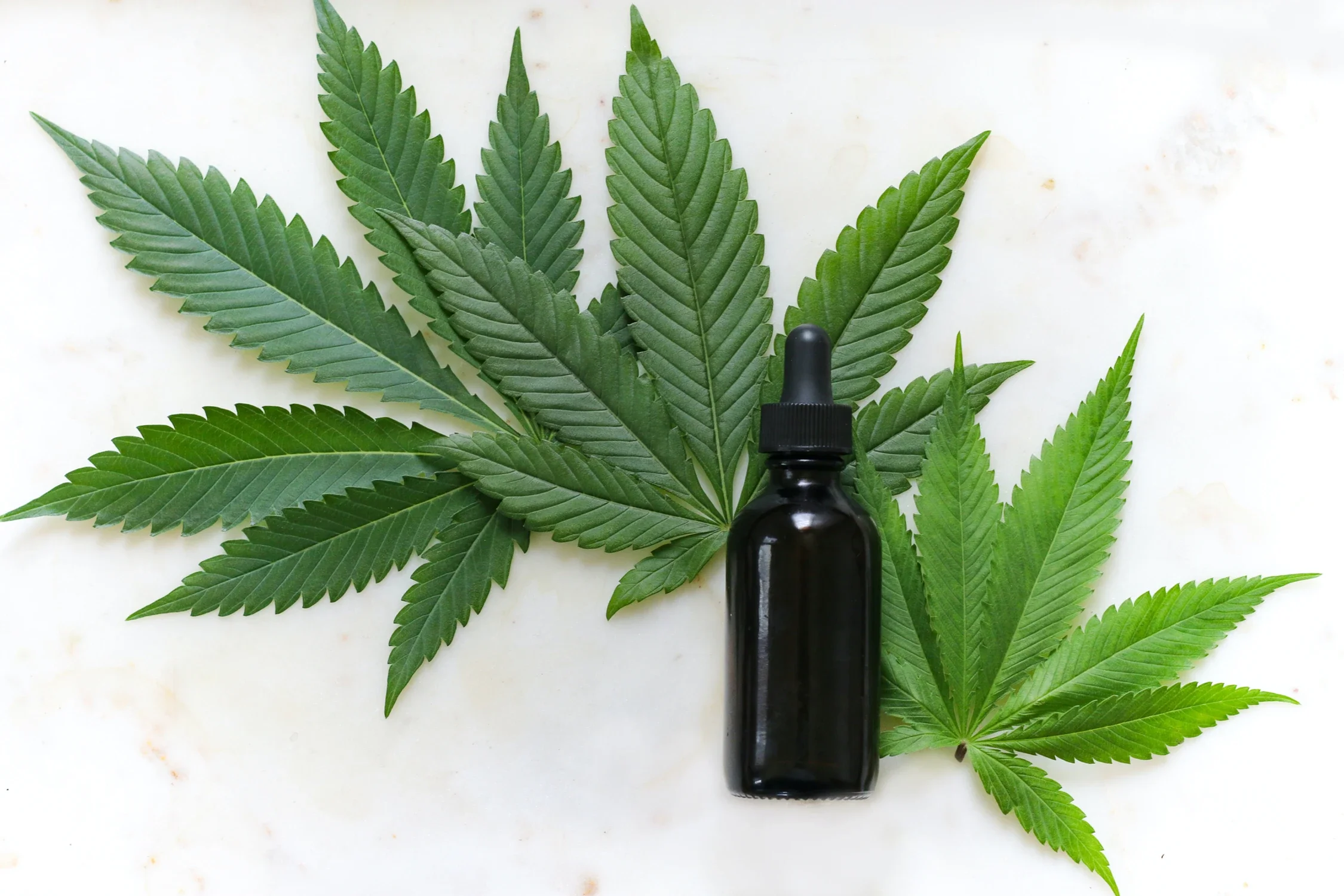
Budding Solutions: Cannabis for Menopausal Wellness
Cannabis may help alleviate menopause symptoms such as sleep disturbance, anxiety, and chronic pain. THC products can be helpful for falling asleep and hot flashes, while CBD supports anxiety and staying asleep. Vaginal or anal CBD may relieve chronic pelvic pain. Individual responses vary, and cannabis can interact with other medications, so consult a healthcare provider before use.
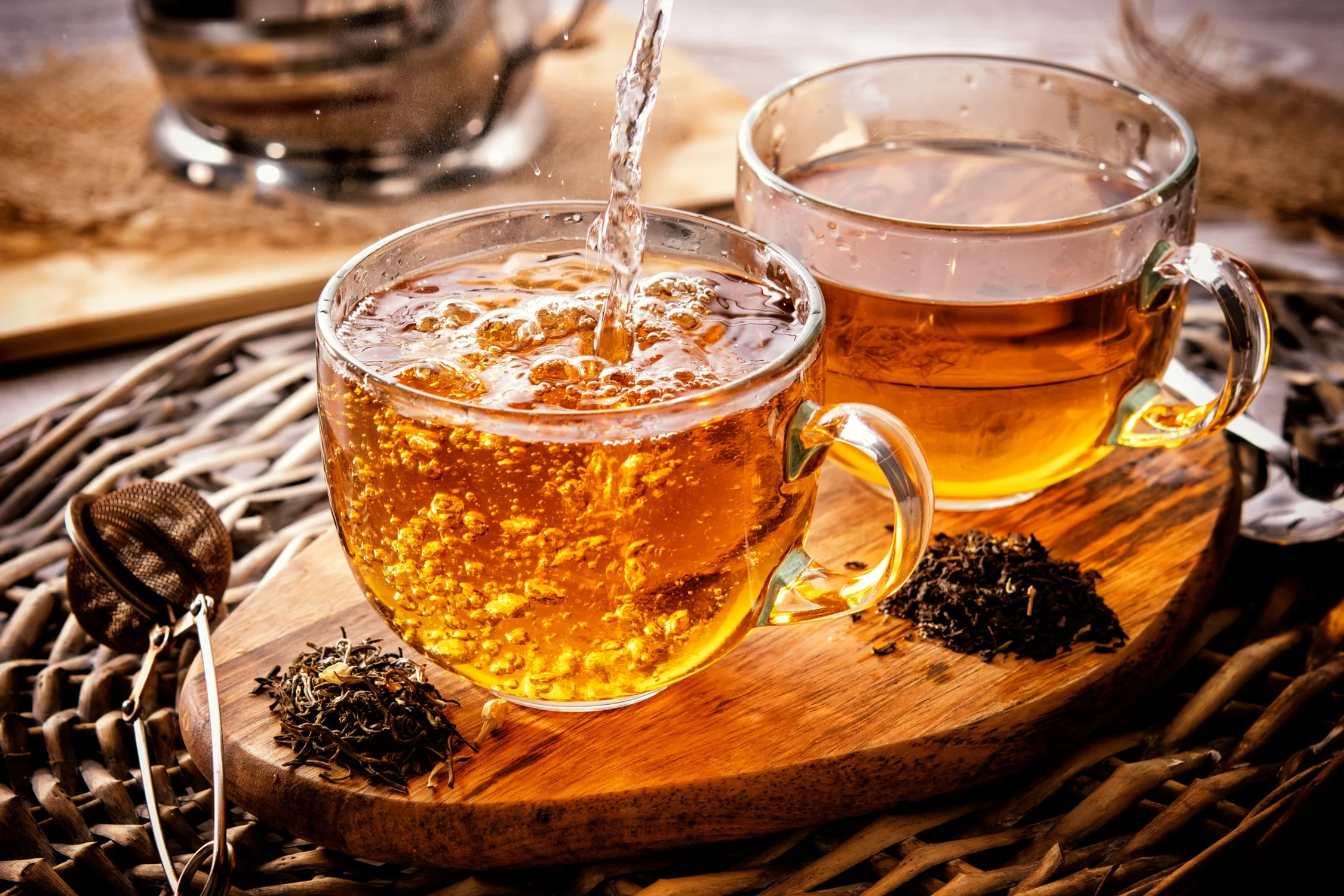
How Green Tea Can Help You Through Menopause
Green tea isn’t just a comforting cup—it may help support mood, cognition, bone health, metabolism, and even lower breast cancer risk during menopause. With 3–4 cups a day, it can be a natural addition to your menopause care plan.
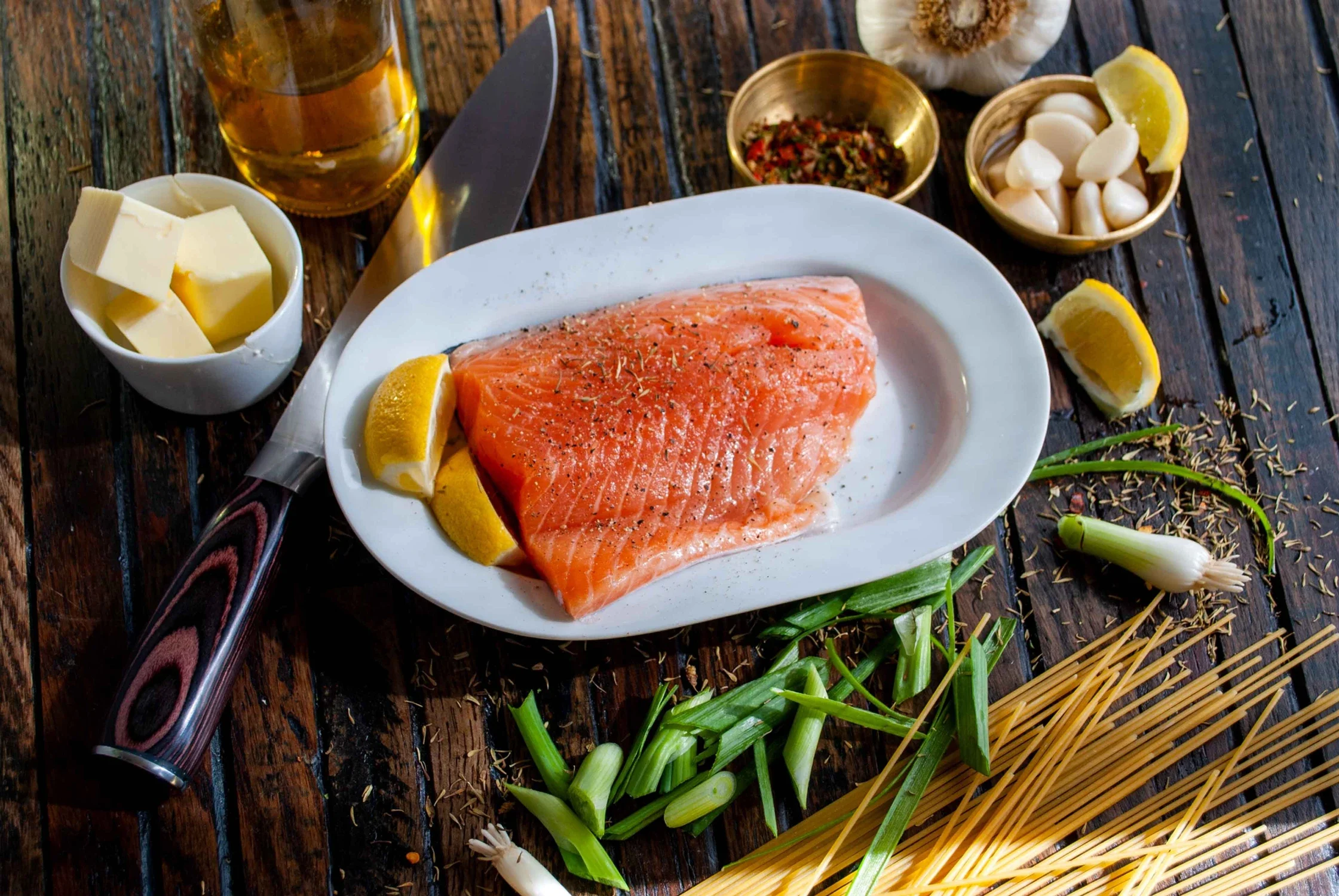
How to Reduce Hot Flashes Naturally with Vitamin E and Omega-3
Hot flashes affect up to 80% of people going through menopause, disrupting sleep, mood, and daily life. While hormone therapy is effective, natural options like vitamin E and omega-3 may help reduce the intensity of hot flashes, especially when combined. Incorporating foods rich in these nutrients—like almonds, sunflower seeds, salmon, and flaxseeds—can support your comfort and overall health during menopause.
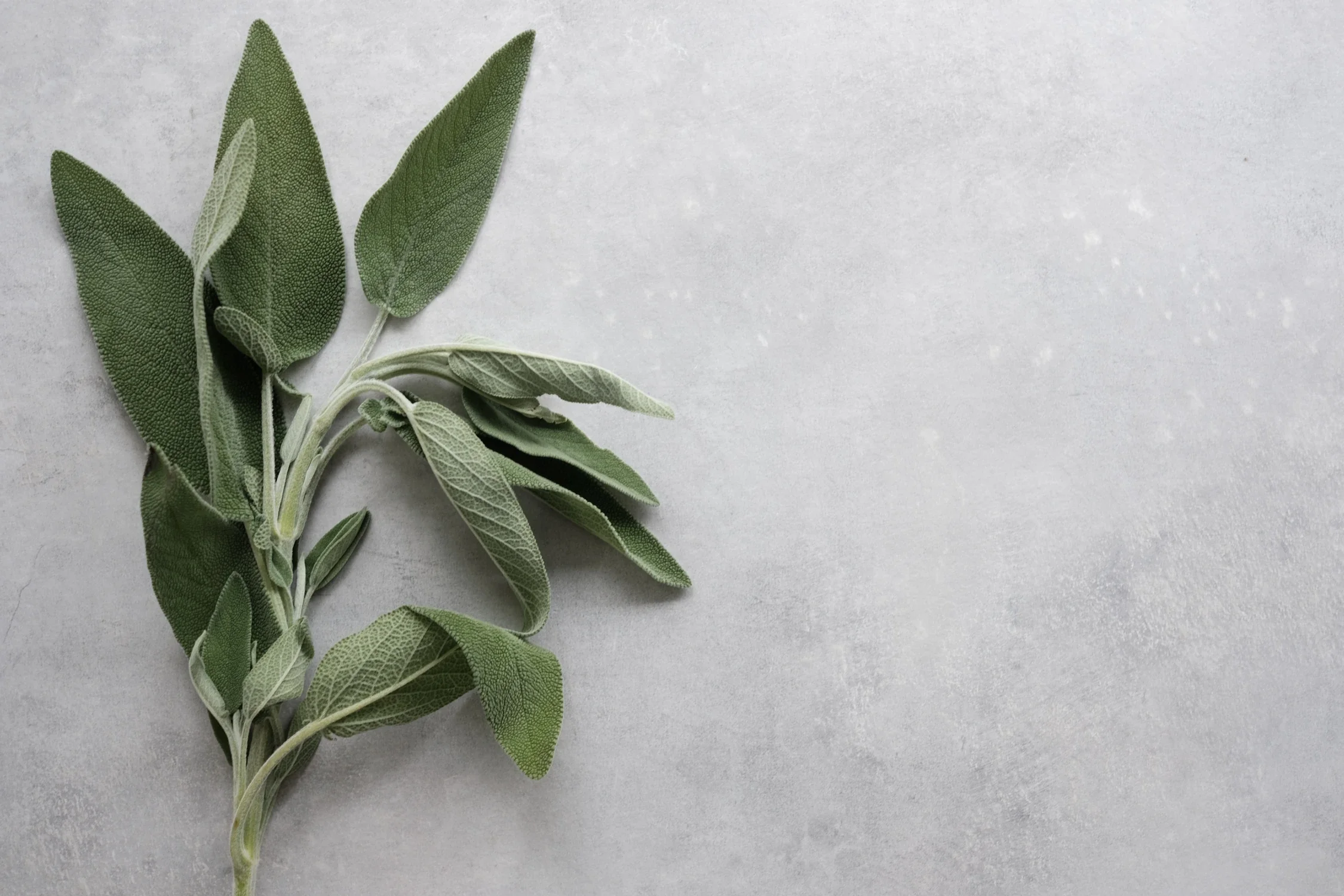
Spotlight on Sage as a Natural Remedy for Menopause
Sage has a long history as a natural remedy for menopausal symptoms, especially hot flashes. While some studies show it may reduce the frequency of hot flashes, evidence is limited, and caution is advised due to potential estrogenic effects and thujone toxicity in essential oils. Fresh sage or sage tea can be a safe culinary addition, but supplements with stronger evidence may offer more reliable symptom relief.