
Nobody Warned Me About the Itchy Ears
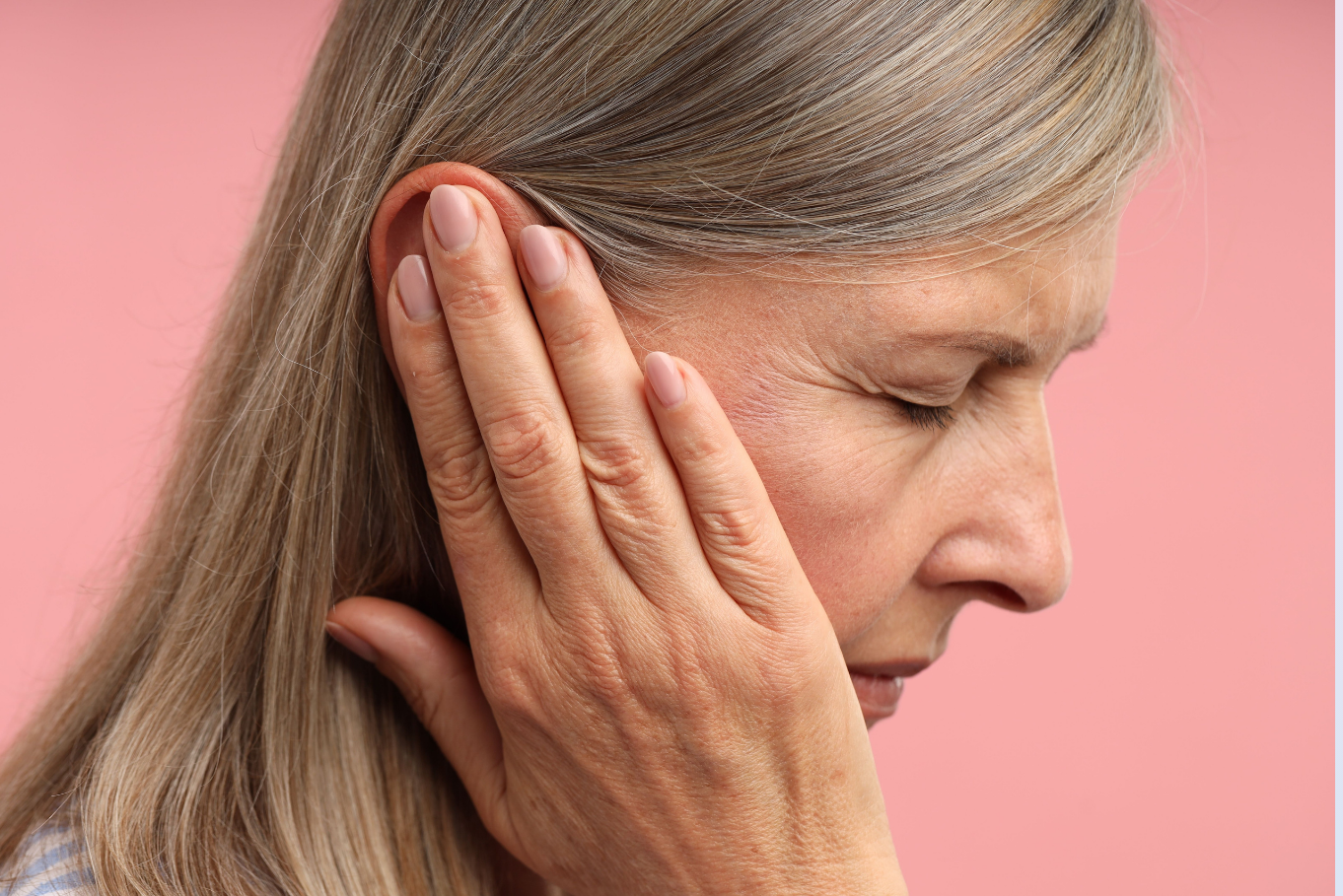
Menopause has a lot of surprises. This one really gets under your skin.
Hot flashes? You've heard of them. Brain fog? Yep, on the list. Mood swings, sleep disruption, joint pain — all part of the conversation now, thankfully.
But itchy ears?
Nobody puts that on the brochure.
And yet, here you are — digging a finger into your ear canal at 2pm in a meeting, or waking up at night because your ears are driving you absolutely up the wall. You've tried ear drops. You've Googled. You've wondered if something is genuinely wrong with you.
Why Your Ears Are Suddenly Staging a Protest
Estrogen does a lot of quiet, behind-the-scenes work in your body — and one of its less celebrated jobs is keeping your skin and mucous membranes moist and happy. When estrogen drops during perimenopause and menopause, tissue throughout your body dries out. That includes the delicate skin lining your ear canal.
This is called xerosis — dry skin — and it's a well-documented cause of chronic ear canal itching. The same mechanism driving vaginal dryness, dry eyes, and increasingly dramatic skin care routines is also behind the Ear Itch That Will Not Quit.
It's not an infection. It's not a hygiene problem. It's your body's estrogen-sensitive tissues responding to a systemic hormonal shift — in a really inconvenient location.
That said, not all itchy ears are the same. Other common culprits include eczema, seborrheic dermatitis, contact dermatitis (earbuds, hearing aids, and certain earrings are frequent offenders), and fungal overgrowth. If your itch is one-sided, comes with discharge, pain, or hearing changes, or just isn't responding to anything — that warrants a proper evaluation. Those aren't the garden-variety hormone-driven itch we're talking about here.
What Actually Helps (And What We Know vs. What We're Working With)
Here's where we have to be honest with you, because that's kind of our whole thing.
For dryness-driven itch, the evidence is solid: moisturize.
Dry skin treatment guidelines consistently recommend emollients and gentle lubricants for ear canal xerosis. A small amount of an unscented oil or over-the-counter ear moisturizer applied to the outer canal can meaningfully calm itch. Baby oil, mineral oil, or purpose-made ear moisturizers all work. Gentle application to the outer canal only — no aggressive Q-tip excavation, no fragranced products.
If there's an inflammatory component (the skin looks irritated, not just dry), topical corticosteroids and topical calcineurin inhibitors like pimecrolimus have actual clinical trial data supporting their use in the ear canal. A randomized trial found pimecrolimus comparable to a mild steroid for ear canal itch, with some evidence it holds up better over the long term. These are worth discussing with your provider if moisturizing alone isn't cutting it.
For the hormone angle — here's where we're in expert opinion territory.
Some menopause specialists, ourselves included, have used vaginal estrogen cream applied lightly to the ear canal on a Q-tip. The reasoning makes biological sense: if estrogen-deficient tissue is the root cause, local estrogen could address it directly, similar to how vaginal estrogen works for vaginal dryness. Systemic absorption from this kind of application would be minimal.
Similarly, a light application of fluticasone (Flonase) on a Q-tip to the outer canal can help calm itch and inflammation.
But we want to be clear: there's no published research specifically on either of these approaches for menopausal ear itch. These exist in the realm of clinical reasoning and provider experience, not controlled trials. That doesn't make them unreasonable options — medicine often moves faster than research — but it does mean you should weigh them with your provider rather than treating them as established protocol.
The Bigger Picture
Menopause affects more tissues than most people — including many healthcare providers — realize. When estrogen drops, every estrogen-sensitive surface in your body notices. Your ears. Your eyes. Your skin. Your joints. The ear canal is just one of the less-discussed members of that club.
At Phases Clinic, we think you deserve the full picture: what we know, what we're working with clinically, and where the research still needs to catch up. Because frankly, symptoms like this have been under-studied for too long — and "nobody has researched it yet" is not the same as "it isn't real" or "it doesn't matter."
You deserve care that takes all of it seriously. Even the weird stuff nobody talks about.
Especially that.
Dealing with symptoms you weren't expecting — or that your other providers have brushed off? That's exactly what we're here for. Book a visit with Phases Clinic.
References
Rosenfeld RM, Schwartz SR, Cannon CR, et al. Clinical Practice Guideline: Acute Otitis Externa. Otolaryngology–Head and Neck Surgery. 2014;150(1 Suppl):S1–S24.
Jackson EA, Geer K. Acute Otitis Externa: Rapid Evidence Review. American Family Physician. 2023;107(2):145–151.
Butler DC, Berger T, Elmariah S, et al. Chronic Pruritus: A Review. JAMA. 2024;331(24):2114–2124.
Lee SY, Cho S, Kim M, Lee DH, Kim YH. Comparison of Therapeutic Effects of Topical Calcineurin Inhibitor and Moisturizing Cream on Pruritic External Auditory Canal. Journal of Clinical Medicine. 2021;10(19):4313.
Nemeth Z, Verga E, Verdolini R. Topical Treatment of Eczematous External Otitis Involving the Ear Canal: Long-Term Results of a Trial Comparing Pimecrolimus 1% Versus Clobetasone Butyrate 0.05%. Journal of Laryngology and Otology. 2022;136(7):635–638.
Acar B, Karabulut H, Sahin Y, et al. New Treatment Strategy and Assessment Questionnaire for External Auditory Canal Pruritus: Topical Pimecrolimus Therapy and Modified Itch Severity Scale. Journal of Laryngology and Otology. 2010;124(2):147–151.
