

Where complex becomes clear.
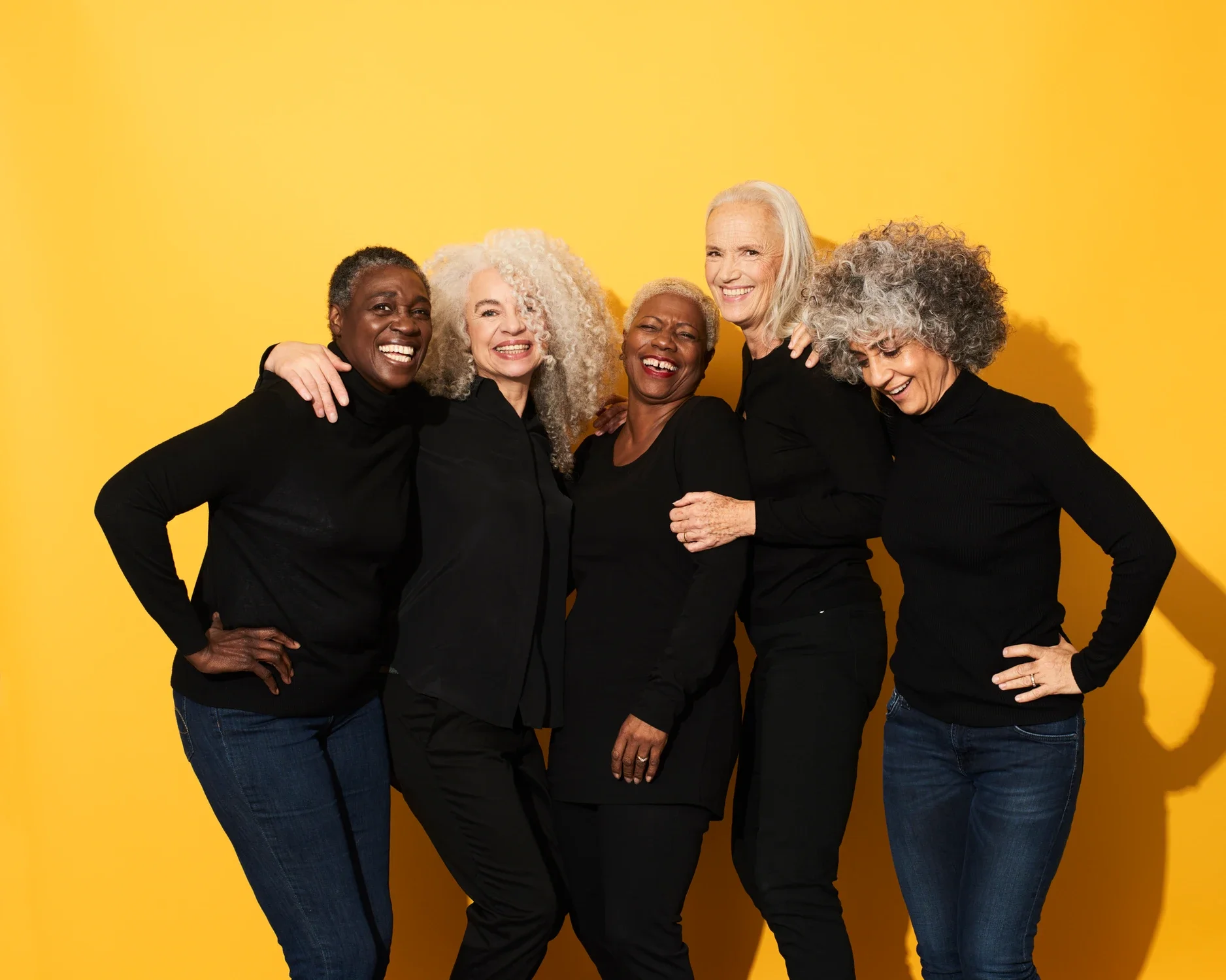
Embracing Diversity: Menopause Experiences Across Ethnicities
Menopause experiences differ across ethnicities. The SWAN Study found variation in age at final menstrual period and symptom prevalence—Latinx and Black women reported higher rates of hot flashes, night sweats, and sleep disturbances, while Chinese and Japanese women reported fewer symptoms. These differences highlight the influence of social, cultural, and health factors, emphasizing the need for culturally sensitive and equitable menopause care.
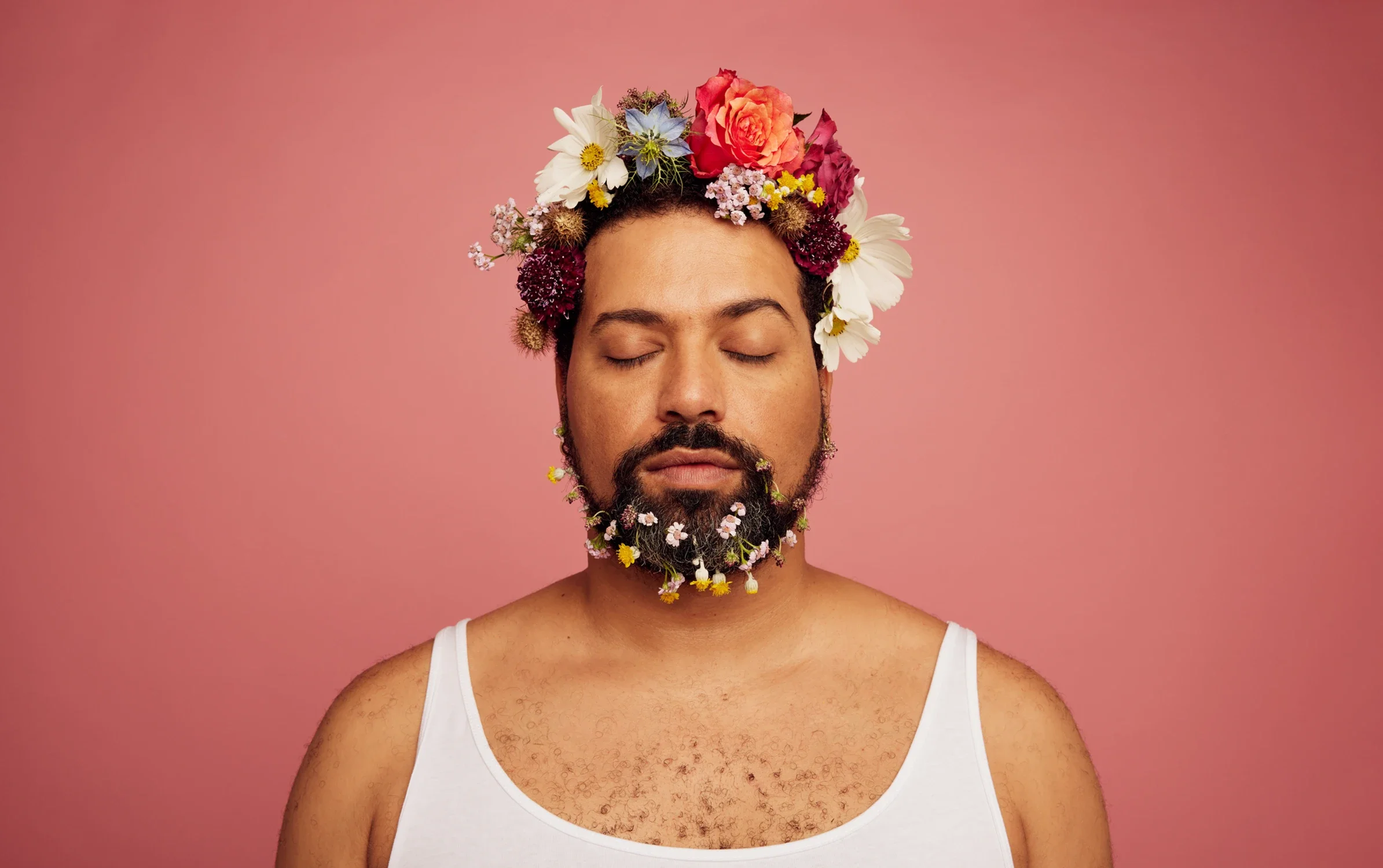
Menopause Treatment in Gender Diverse Individuals: What You Need to Know
Menopause is not limited to cisgender women—gender diverse AFAB individuals, trans men, and transfeminine people can experience menopause or menopause-like symptoms. Treatment should be individualized, balancing symptom relief, quality of life, and gender-affirming goals. Options include menopausal hormone therapy, non-hormonal medications, supplements, and behavioral strategies, all tailored in collaboration with competent, affirming healthcare providers.

Menopausal Treatment Options for Migraine with Aura Sufferers
For individuals experiencing menopause alongside migraines with aura, treatment requires a careful balance. Non-hormonal options, transdermal menopausal hormone therapy, lifestyle modifications, and alternative therapies can help manage symptoms while minimizing risks. Personalized care with a knowledgeable healthcare provider is essential to ensure safety and optimize quality of life.

The Unfair Burden of Fibroids on Black Women
Fibroids disproportionately affect Black women, causing heavier symptoms and more complications. Despite this higher burden, Black women are less likely to receive conservative treatments and more likely to undergo hysterectomy. It’s essential to seek care from knowledgeable providers and explore all treatment options to protect reproductive health and overall well-being.
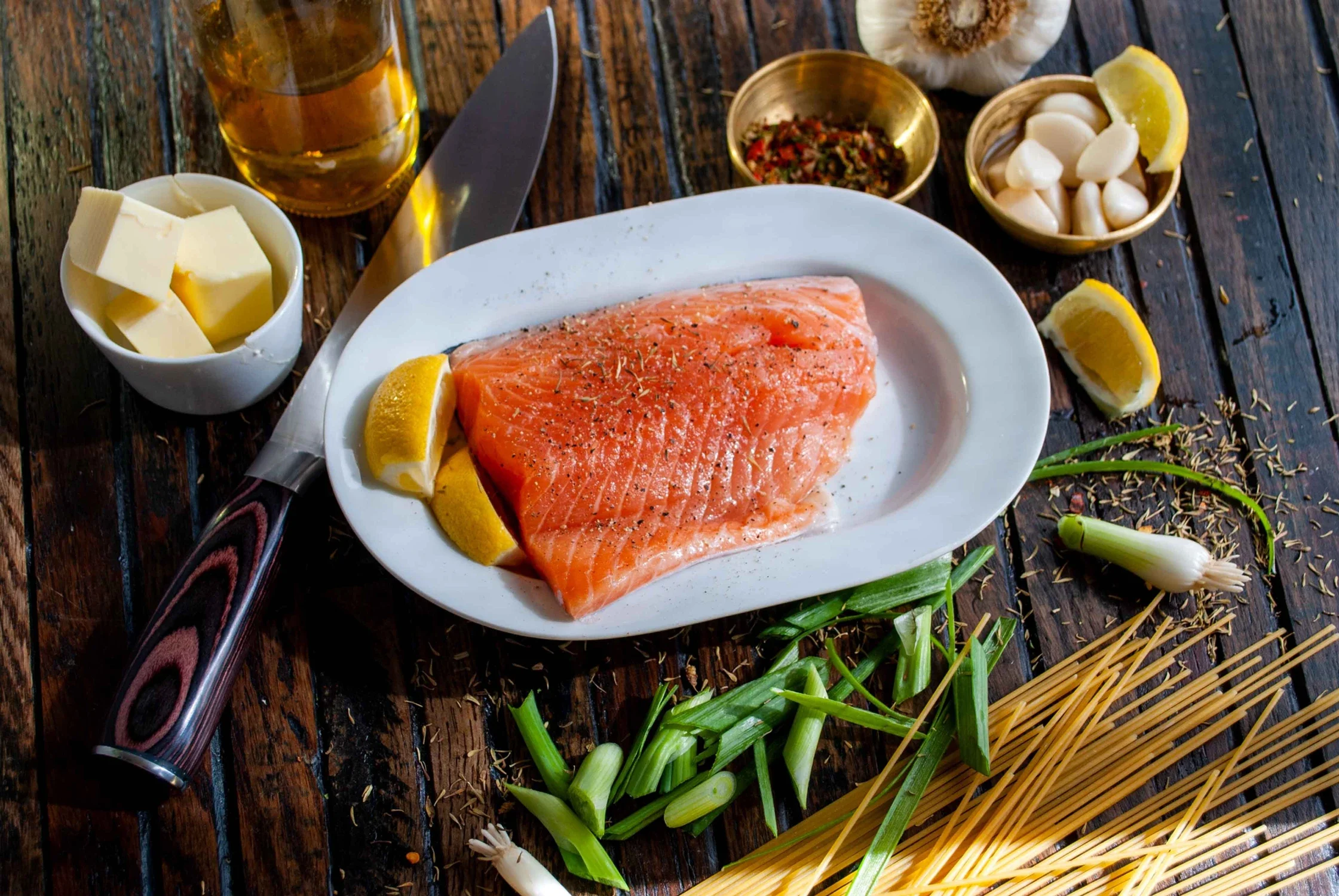
How to Reduce Hot Flashes Naturally with Vitamin E and Omega-3
Hot flashes affect up to 80% of people going through menopause, disrupting sleep, mood, and daily life. While hormone therapy is effective, natural options like vitamin E and omega-3 may help reduce the intensity of hot flashes, especially when combined. Incorporating foods rich in these nutrients—like almonds, sunflower seeds, salmon, and flaxseeds—can support your comfort and overall health during menopause.

We're not talking enough about the fact that partial hysterectomy can cause early menopause.
Partial hysterectomy—removing the uterus but keeping the ovaries—can still trigger early menopause. Research shows ovary-sparing hysterectomy roughly doubles the risk of ovarian insufficiency, leading to hot flashes, night sweats, sleep disturbances, and increased risk of osteoporosis. Monitoring your cycle, adopting a healthy lifestyle, and discussing hormone therapy with your healthcare provider can help manage symptoms and protect long-term health.

What's The Deal with Bio-Identical Hormones for Menopause?
Bio-identical hormone therapy (BHT) sounds appealing, but compounded BHT isn’t necessarily safer or more effective than FDA-approved hormone therapy. Dosing inconsistencies, lack of regulation, and insufficient data mean compounded BHT may carry unknown risks. At Phases Clinic, we prioritize evidence-based FDA-approved options to safely manage menopause symptoms while tailoring care to each patient’s needs.

Spotlight on Sage as a Natural Remedy for Menopause
Sage has a long history as a natural remedy for menopausal symptoms, especially hot flashes. While some studies show it may reduce the frequency of hot flashes, evidence is limited, and caution is advised due to potential estrogenic effects and thujone toxicity in essential oils. Fresh sage or sage tea can be a safe culinary addition, but supplements with stronger evidence may offer more reliable symptom relief.