

Where complex becomes clear.

The Asian American Experience with Menopause: Navigating Cultural Nuances and Health Challenges
Menopause is a universal transition, but for Asian and Asian American women, cultural beliefs, social context, and health access shape how symptoms are experienced, reported, and managed—often in ways that differ from Western narratives of menopause.
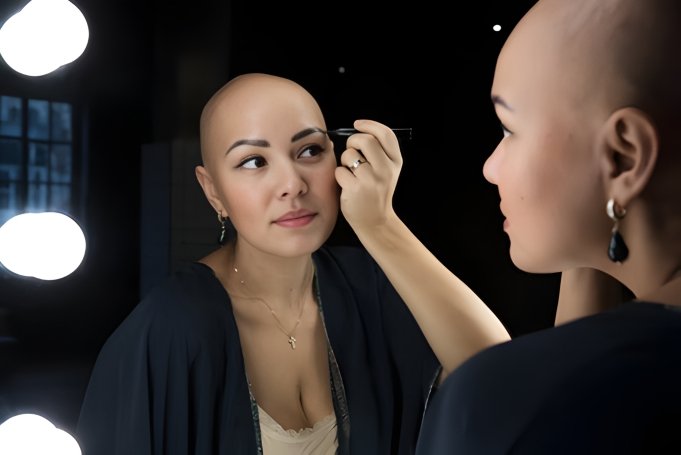
Is Testosterone Safe In Breast Cancer Survivors?
Hormonal changes after breast cancer treatment can leave many survivors searching for safe ways to restore comfort, energy, and quality of life—yet testosterone therapy often raises understandable concerns. By looking closely at the evidence, we can better understand where testosterone may fit into survivorship care and where caution is still warranted.

Do I Need to Quit Hormone Therapy When I Turn 65?
Absolutely not! There’s no arbitrary age that automatically means stopping menopausal hormone therapy (MHT). Evidence shows that continuing MHT beyond 65 can be safe and beneficial—especially when personalized to your health goals, type of therapy, and route of administration.
Menopause Is in Its Renaissance Era: Debunking Myths About Hormone Therapy
Menopause doesn’t have to be feared. Recent research shows that menopausal hormone therapy (MHT) can be safe and effective even beyond age 65, with benefits ranging from relief of hot flashes to protection against heart disease and certain cancers. With individualized care and updated guidance, women can navigate this life stage with confidence and clarity.

Is Hypnotherapy Legit? Unraveling the Science Behind Brain Changes
Hypnotherapy isn’t magic—it’s a scientifically supported therapeutic tool. By guiding the mind into a focused, trance-like state, hypnotherapy can reduce pain, ease anxiety, and help manage conditions like IBS, menopause symptoms, and cancer-related pain. Medical guidelines from the VA, ASCO, and The Menopause Society recognize its effectiveness, making it a legitimate, non-pharmacological option for wellness.
Is Black Cohosh Safe?
Black cohosh is a popular herbal supplement often used for hot flashes and night sweats, but the evidence is mixed. Some studies show modest benefit, while others suggest little effect. Safety is also a concern—rare cases of liver damage have been reported, though short-term use in otherwise healthy women appears generally safe. Always consult your healthcare provider before trying black cohosh or any herbal remedy, and consider evidence-based alternatives like hormone therapy, non-hormonal medications, or mind-body techniques.
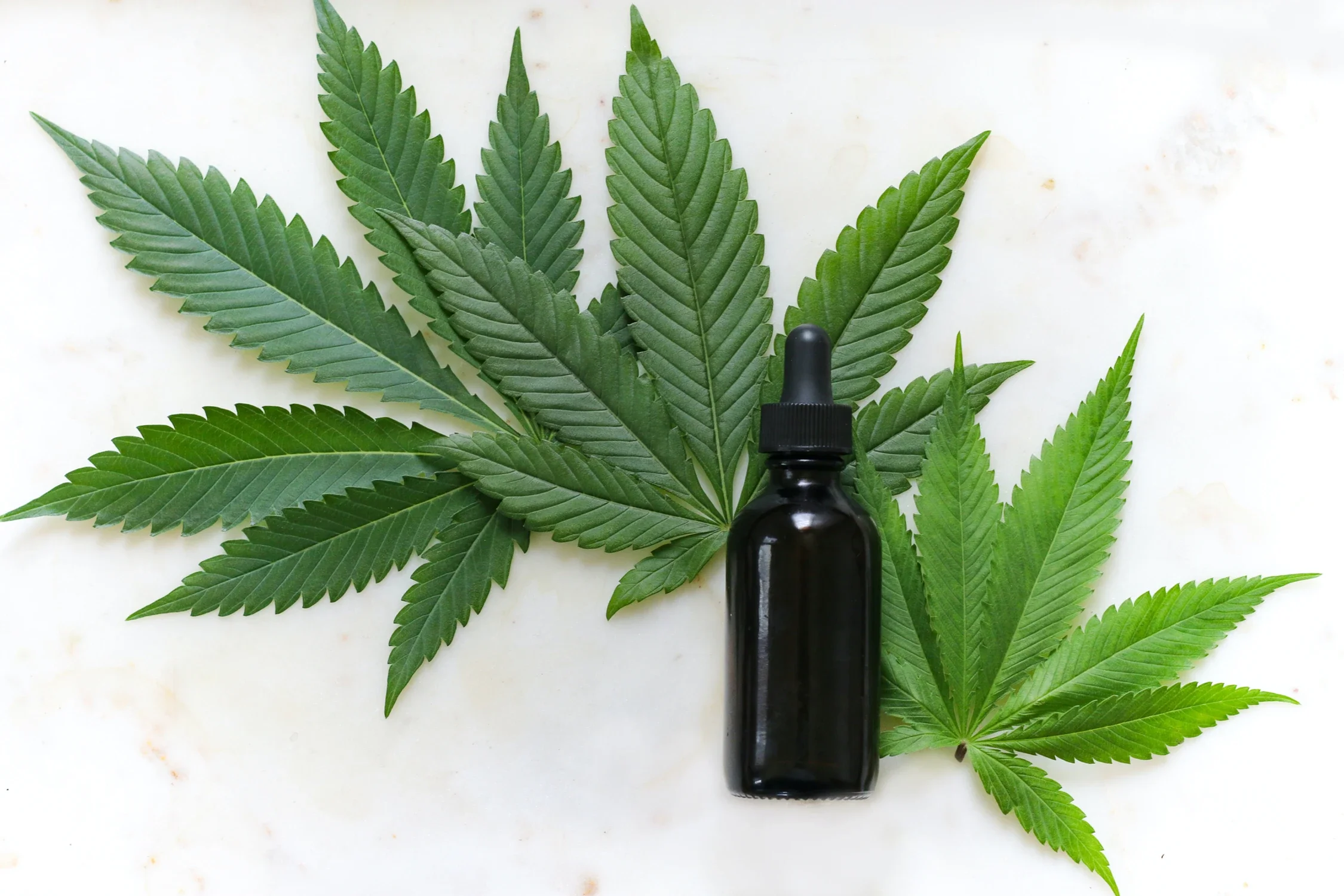
Budding Solutions: Cannabis for Menopausal Wellness
Cannabis may help alleviate menopause symptoms such as sleep disturbance, anxiety, and chronic pain. THC products can be helpful for falling asleep and hot flashes, while CBD supports anxiety and staying asleep. Vaginal or anal CBD may relieve chronic pelvic pain. Individual responses vary, and cannabis can interact with other medications, so consult a healthcare provider before use.
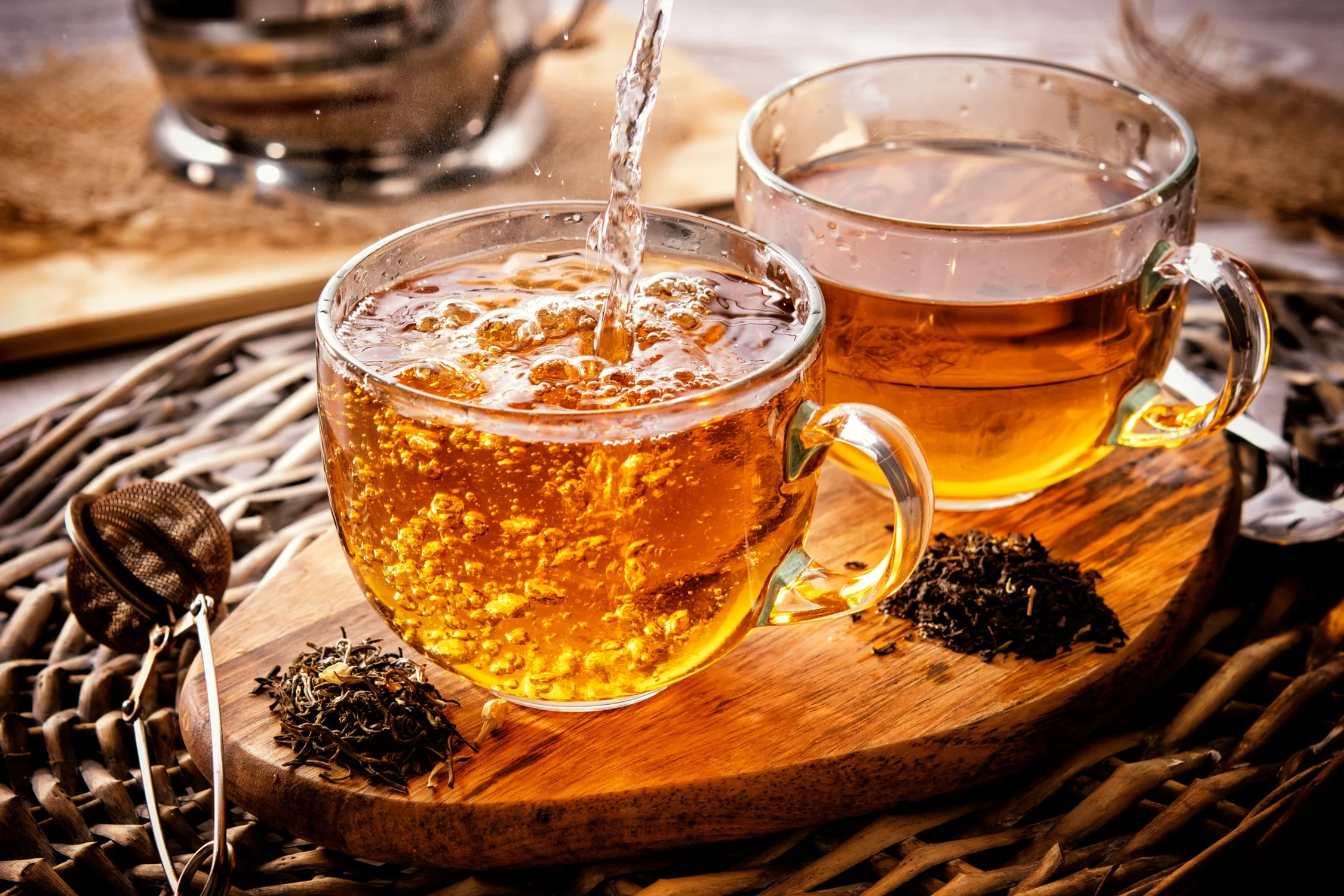
How Green Tea Can Help You Through Menopause
Green tea isn’t just a comforting cup—it may help support mood, cognition, bone health, metabolism, and even lower breast cancer risk during menopause. With 3–4 cups a day, it can be a natural addition to your menopause care plan.

Understanding the Role of Testosterone in Menopause Care
While estrogen and progesterone often take center stage, testosterone plays a key role in sexual desire, mood, bone health, and overall well-being during menopause. Levels naturally decline with age or after surgical menopause, potentially contributing to symptoms like low libido, fatigue, and decreased motivation. Under medical guidance, testosterone therapy may help with hypoactive sexual desire disorder (HSDD) and enhance overall quality of life—but it requires careful dosing, monitoring, and individualized assessment to ensure safety and effectiveness.

Hypnotherapy for Hot Flashes: Wait, Really??
Hot flashes can disrupt sleep, mood, and daily life—but hypnotherapy offers a non-medication approach that really works. Clinical studies show that just a few sessions of hypnotherapy, combined with self-practice at home, can reduce hot flashes by over 50%, improve sleep quality, and boost overall well-being. Perfect for those who cannot or prefer not to use hormone therapy, hypnotherapy is a safe, evidence-based way to reclaim comfort during menopause.
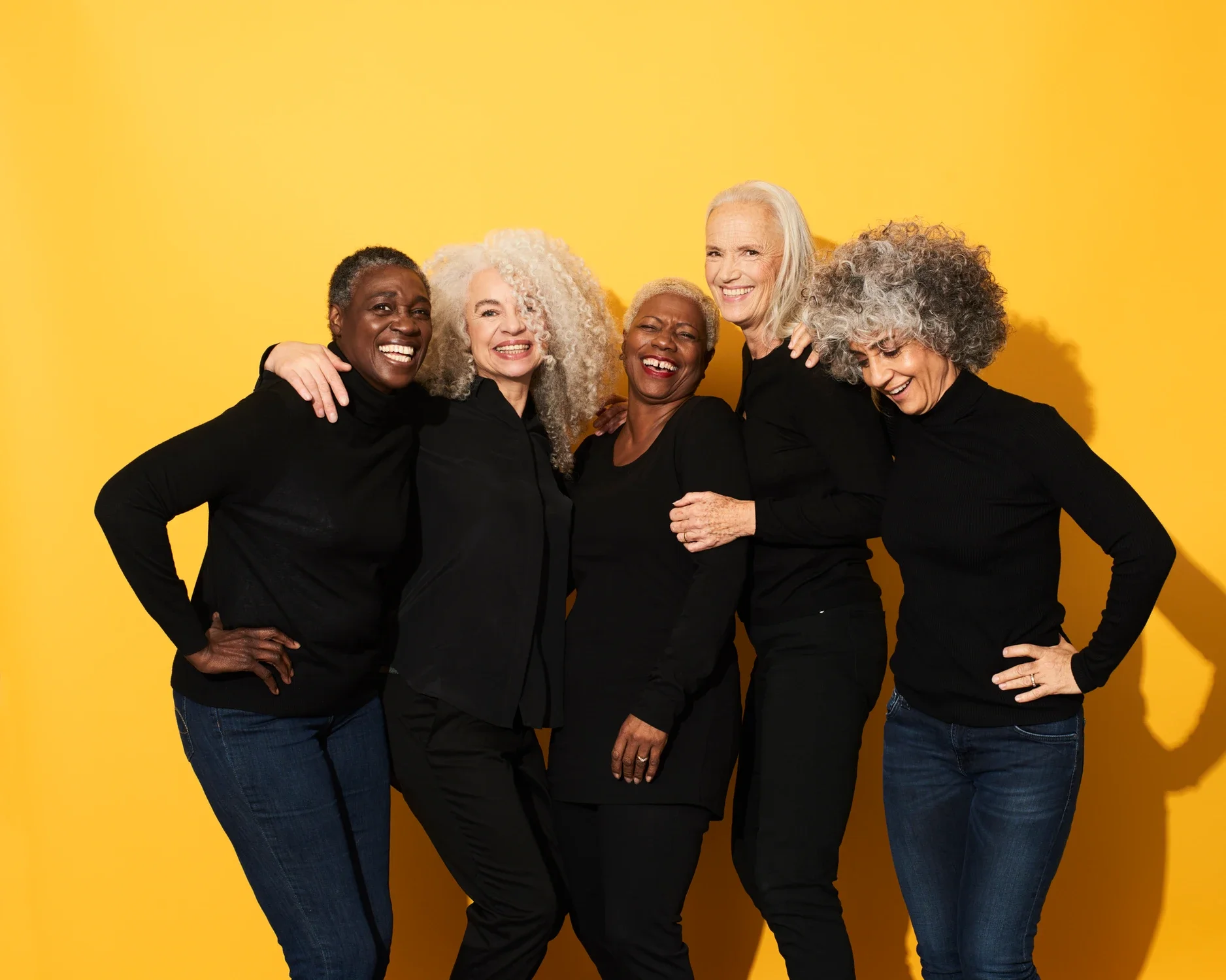
Embracing Diversity: Menopause Experiences Across Ethnicities
Menopause experiences differ across ethnicities. The SWAN Study found variation in age at final menstrual period and symptom prevalence—Latinx and Black women reported higher rates of hot flashes, night sweats, and sleep disturbances, while Chinese and Japanese women reported fewer symptoms. These differences highlight the influence of social, cultural, and health factors, emphasizing the need for culturally sensitive and equitable menopause care.
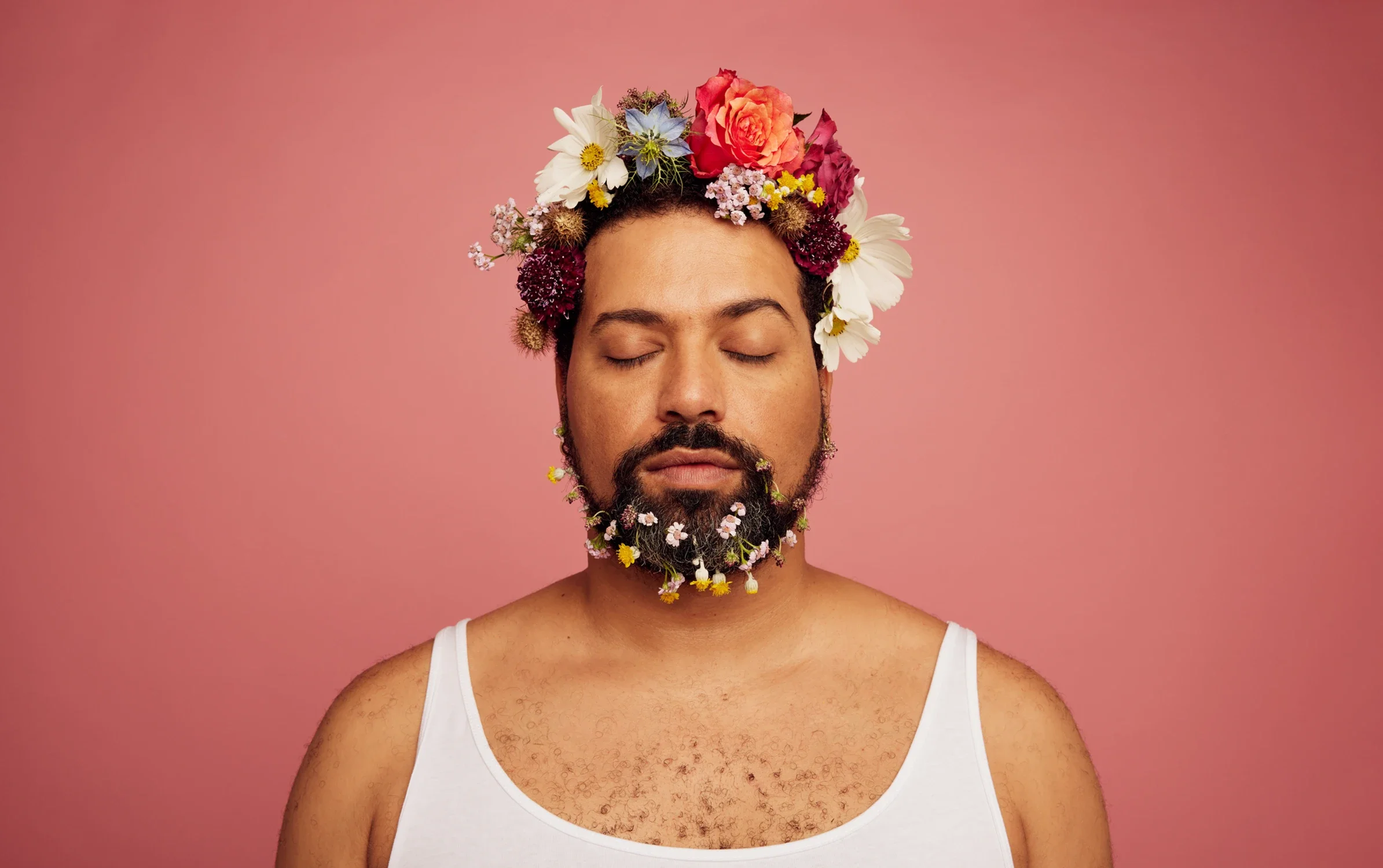
Menopause Treatment in Gender Diverse Individuals: What You Need to Know
Menopause is not limited to cisgender women—gender diverse AFAB individuals, trans men, and transfeminine people can experience menopause or menopause-like symptoms. Treatment should be individualized, balancing symptom relief, quality of life, and gender-affirming goals. Options include menopausal hormone therapy, non-hormonal medications, supplements, and behavioral strategies, all tailored in collaboration with competent, affirming healthcare providers.

Menopausal Treatment Options for Migraine with Aura Sufferers
For individuals experiencing menopause alongside migraines with aura, treatment requires a careful balance. Non-hormonal options, transdermal menopausal hormone therapy, lifestyle modifications, and alternative therapies can help manage symptoms while minimizing risks. Personalized care with a knowledgeable healthcare provider is essential to ensure safety and optimize quality of life.

The Unfair Burden of Fibroids on Black Women
Fibroids disproportionately affect Black women, causing heavier symptoms and more complications. Despite this higher burden, Black women are less likely to receive conservative treatments and more likely to undergo hysterectomy. It’s essential to seek care from knowledgeable providers and explore all treatment options to protect reproductive health and overall well-being.
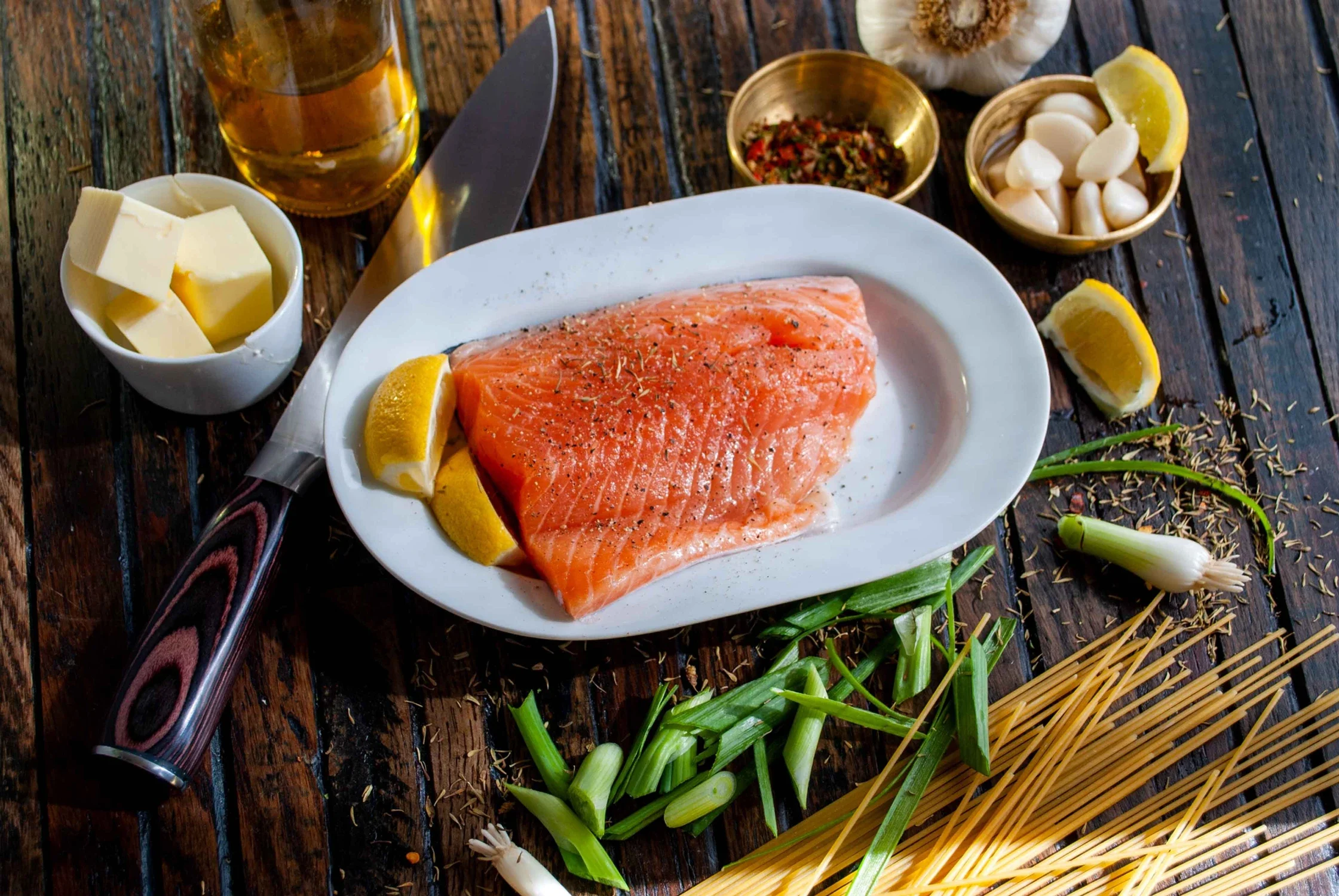
How to Reduce Hot Flashes Naturally with Vitamin E and Omega-3
Hot flashes affect up to 80% of people going through menopause, disrupting sleep, mood, and daily life. While hormone therapy is effective, natural options like vitamin E and omega-3 may help reduce the intensity of hot flashes, especially when combined. Incorporating foods rich in these nutrients—like almonds, sunflower seeds, salmon, and flaxseeds—can support your comfort and overall health during menopause.

We're not talking enough about the fact that partial hysterectomy can cause early menopause.
Partial hysterectomy—removing the uterus but keeping the ovaries—can still trigger early menopause. Research shows ovary-sparing hysterectomy roughly doubles the risk of ovarian insufficiency, leading to hot flashes, night sweats, sleep disturbances, and increased risk of osteoporosis. Monitoring your cycle, adopting a healthy lifestyle, and discussing hormone therapy with your healthcare provider can help manage symptoms and protect long-term health.

What's The Deal with Bio-Identical Hormones for Menopause?
Bio-identical hormone therapy (BHT) sounds appealing, but compounded BHT isn’t necessarily safer or more effective than FDA-approved hormone therapy. Dosing inconsistencies, lack of regulation, and insufficient data mean compounded BHT may carry unknown risks. At Phases Clinic, we prioritize evidence-based FDA-approved options to safely manage menopause symptoms while tailoring care to each patient’s needs.
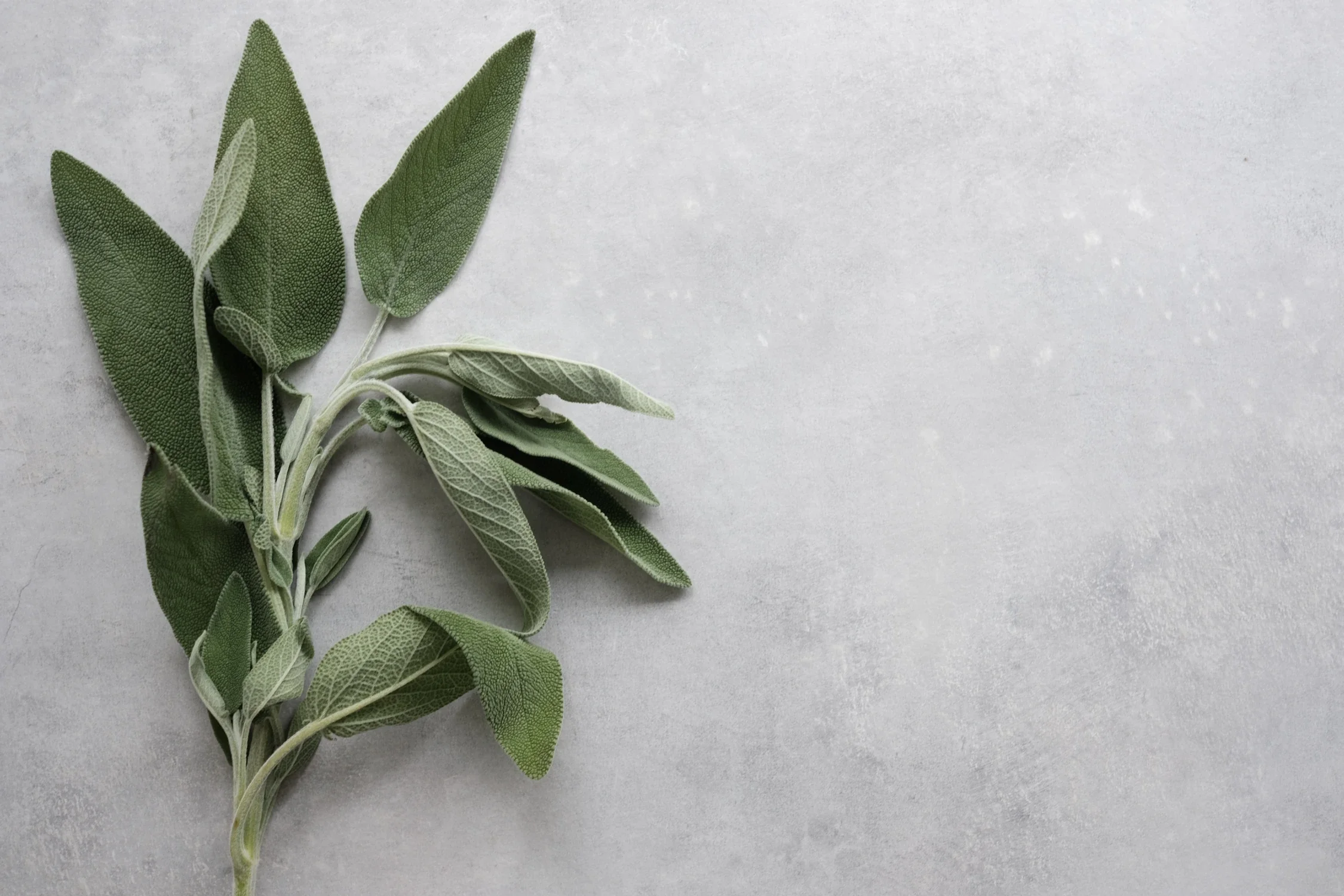
Spotlight on Sage as a Natural Remedy for Menopause
Sage has a long history as a natural remedy for menopausal symptoms, especially hot flashes. While some studies show it may reduce the frequency of hot flashes, evidence is limited, and caution is advised due to potential estrogenic effects and thujone toxicity in essential oils. Fresh sage or sage tea can be a safe culinary addition, but supplements with stronger evidence may offer more reliable symptom relief.