
Why Everything Feels Inflamed in Perimenopause (It’s Not Just Hormones)
Perimenopause is a systemic inflammatory transition marked by estrogen fluctuation. In hypermobile bodies, mast cells, dysautonomia, and nervous system reactivity can drive widespread inflammation.
Dysautonomia, POTS, and Menopause: When Your Nervous System Becomes the Bottleneck
For many people with hypermobility, POTS, or other forms of dysautonomia, menopause is when symptoms like dizziness, heat intolerance, and a racing heart suddenly worsen—not because of anxiety, but because hormonal volatility increases the load on an already sensitive nervous system, making thoughtful, physiology-based support essential.
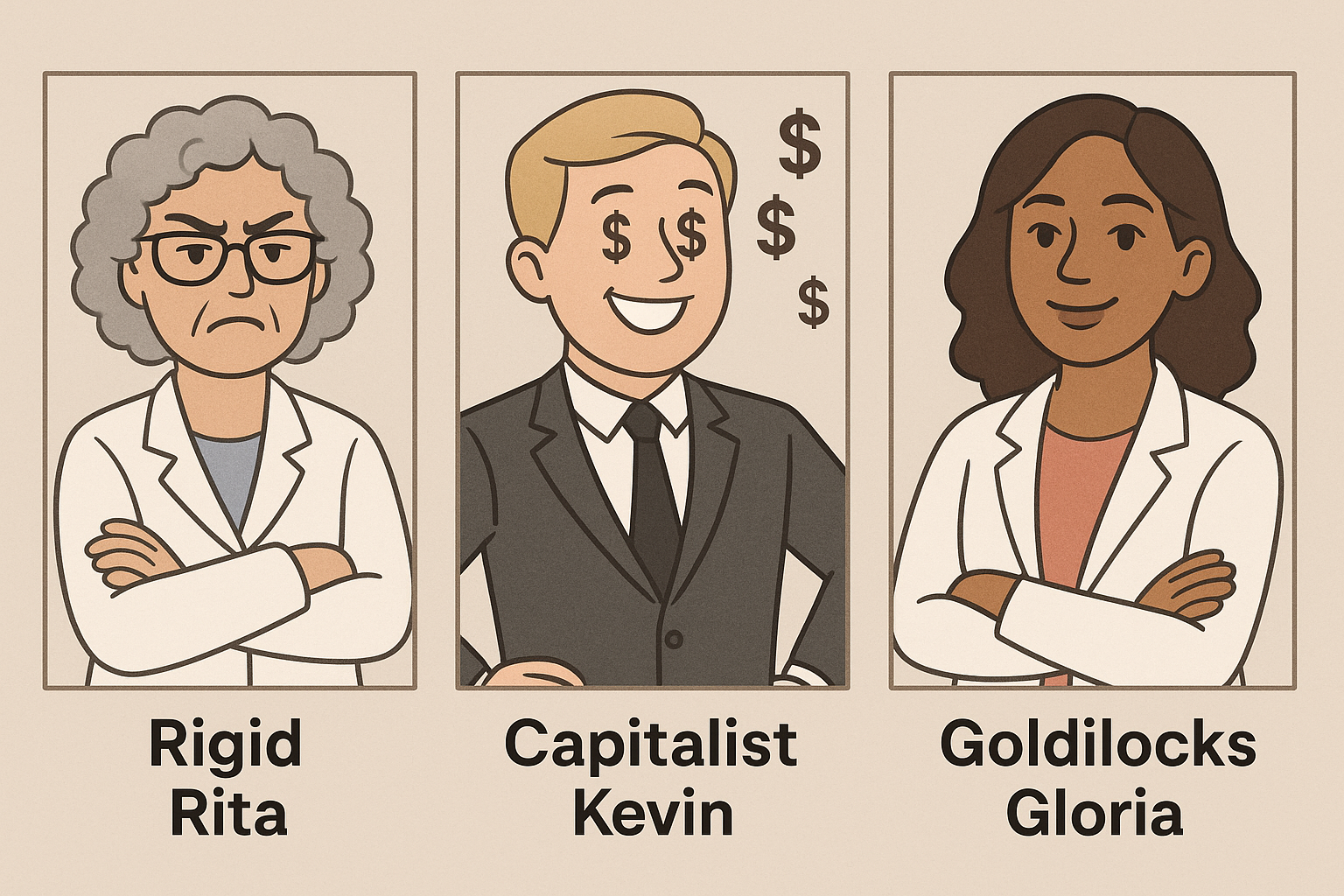
Finding Your Goldilocks Menopause Specialist
If you’ve ever left a provider's office feeling unseen, unheard, or downright dismissed, you already know that finding the right menopause specialist can feel like hunting for a mythical creature.

The Hormone Therapy Conversation: Why "Approved for Prevention" Is More Complicated Than You Think
Ever been told that hormone therapy is only for hot flashes? Or that it's too risky to even consider? As a nurse practitioner, I hear this all the time, and frankly, it's a myth that needs to be busted.

Testosterone, EDS, and POTS, Oh My?
Does Testosterone Hold a Clue to Ehlers Danlos Syndrome Symptoms?

The Hidden Ache: Understanding Chronic Pain in Perimenopause and Menopause
Menopause is often associated with hot flashes and mood swings, but for many it brings another, less talked-about challenge: chronic pain. If you're experiencing new or worsening aches and discomfort during perimenopause or menopause, you're not alone.
Breast Cancer in the Family? A Guide to Safe Hormone Therapy
If you have a family history of breast cancer, you might be wondering: Is HT safe for me? Let's dive into the research and clear up some confusion.

Exploring Hypermobility, Ehlers-Danlos Syndrome (EDS), and the Menopause Transition
Something you may not know about clinic owner Vanessa Weiland, NP, is that she's dealt with chronic pain since she was 13 years old.
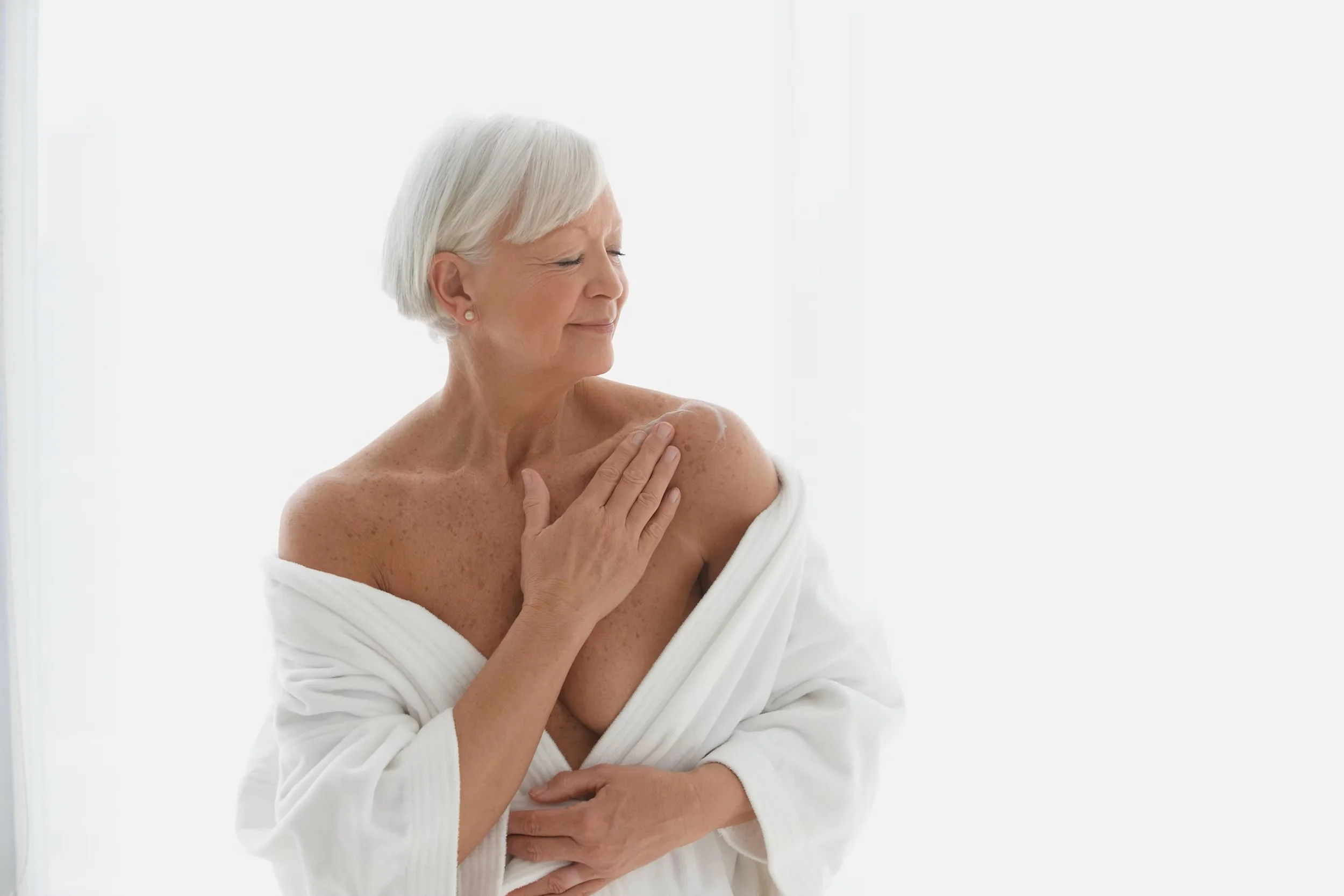
Progesterone Cream Safety: What You Need to Know for Menopause Relief
Hormone replacement therapy (HRT) can make menopause more manageable by addressing symptoms and protecting long-term health.

Living Through Menopause: What Everyone with Endometriosis Needs to Know
Menopause is a natural phase of life, but for those with a history of endometriosis, it can bring unique challenges. Menopause Hormone Therapy (MHT) is often used to manage menopausal symptoms, but its impact on those with endometriosis requires careful consideration.

Can You Defeat Hot Flashes with Lifestyle Changes Alone?
Hot flashes are a common and often uncomfortable symptom of menopause, but did you know that simple lifestyle changes can make a significant difference?
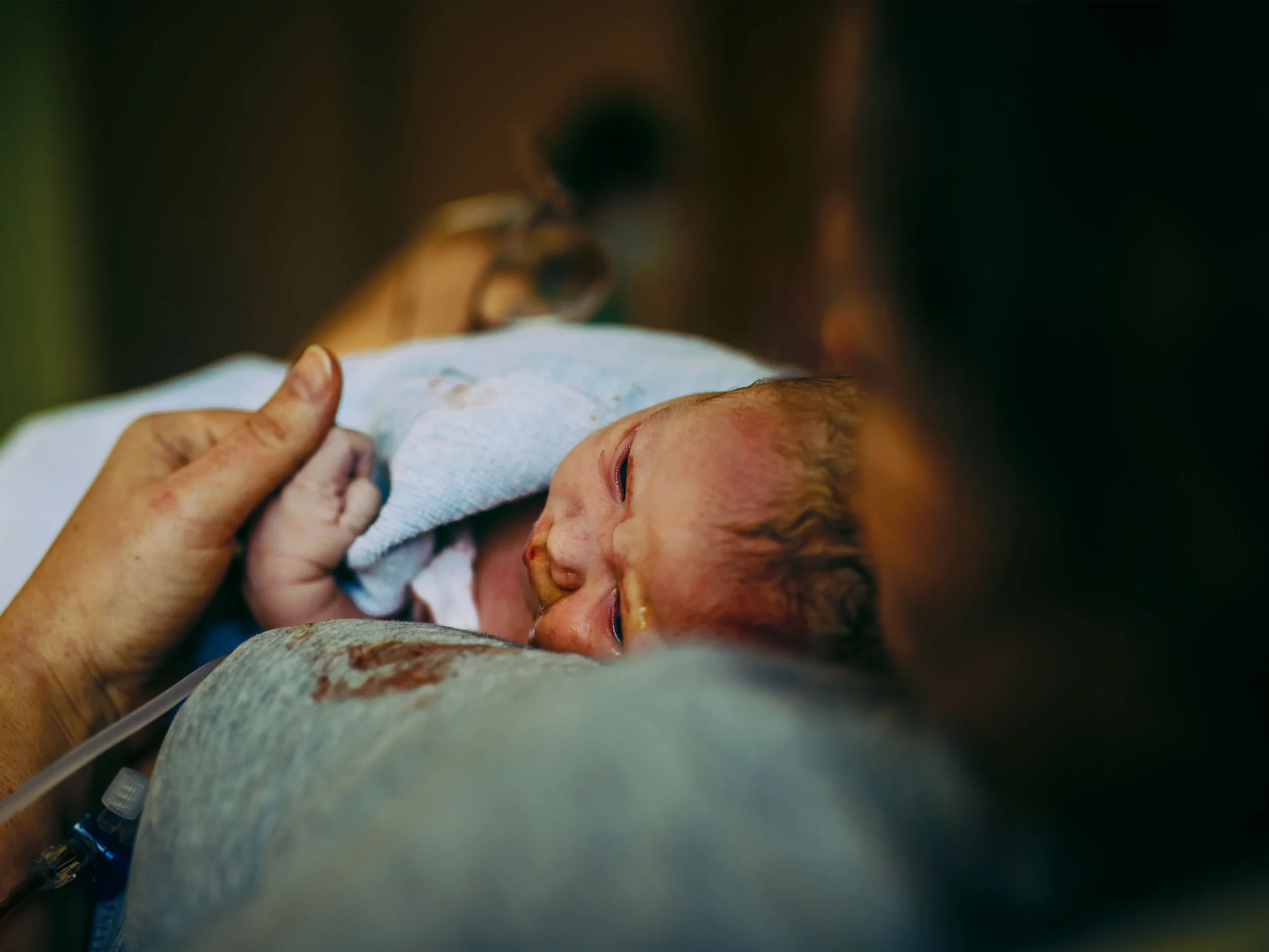
Navigating Postpartum Hormones: A Guide to Hormone Therapy
The postpartum period is a natural transition marked by a rapid decline in hormones such as estrogen and progesterone, and understanding the potential role of systemic and local hormone therapy, oxytocin, and progesterone-based treatments may help support individualized care for postpartum depression and recovery.
Healing Beyond Medicine: My Hypnosis Breakthrough Post-Concussion
Recovering from a concussion or post-concussion syndrome can feel anything but “mild,” often affecting cognition, emotions, energy, and identity in profound ways. This personal account explores how hypnosis became an unexpected, humane, and effective tool for easing symptoms, reducing emotional burden, and supporting healing when traditional approaches were no longer enough.

Hormones and Hair Loss: The Intricate Balance
Hair loss in midlife is common, distressing, and deeply tied to hormonal change, particularly shifts in androgens, estrogen, stress hormones, and thyroid function. This article explores the complex hormonal drivers of hair thinning and reviews evidence-based treatments—from minoxidil and antiandrogens to lifestyle, nutritional, and regenerative therapies—to support personalized hair health during menopause and beyond.

Does Lemon Balm Increase Estrogen?
Lemon balm does not increase estrogen levels, but research suggests it may be helpful in low-estrogen states such as PMS and menopause by supporting mood, sleep, sexual function, and overall quality of life, with a generally favorable safety profile.

Hypnotherapy for Weight Management: A Comprehensive Guide
Hypnotherapy can support weight management by addressing subconscious eating habits, emotional triggers, and self-control, offering a gentle, evidence-based approach to complement diet, exercise, and lifestyle strategies.
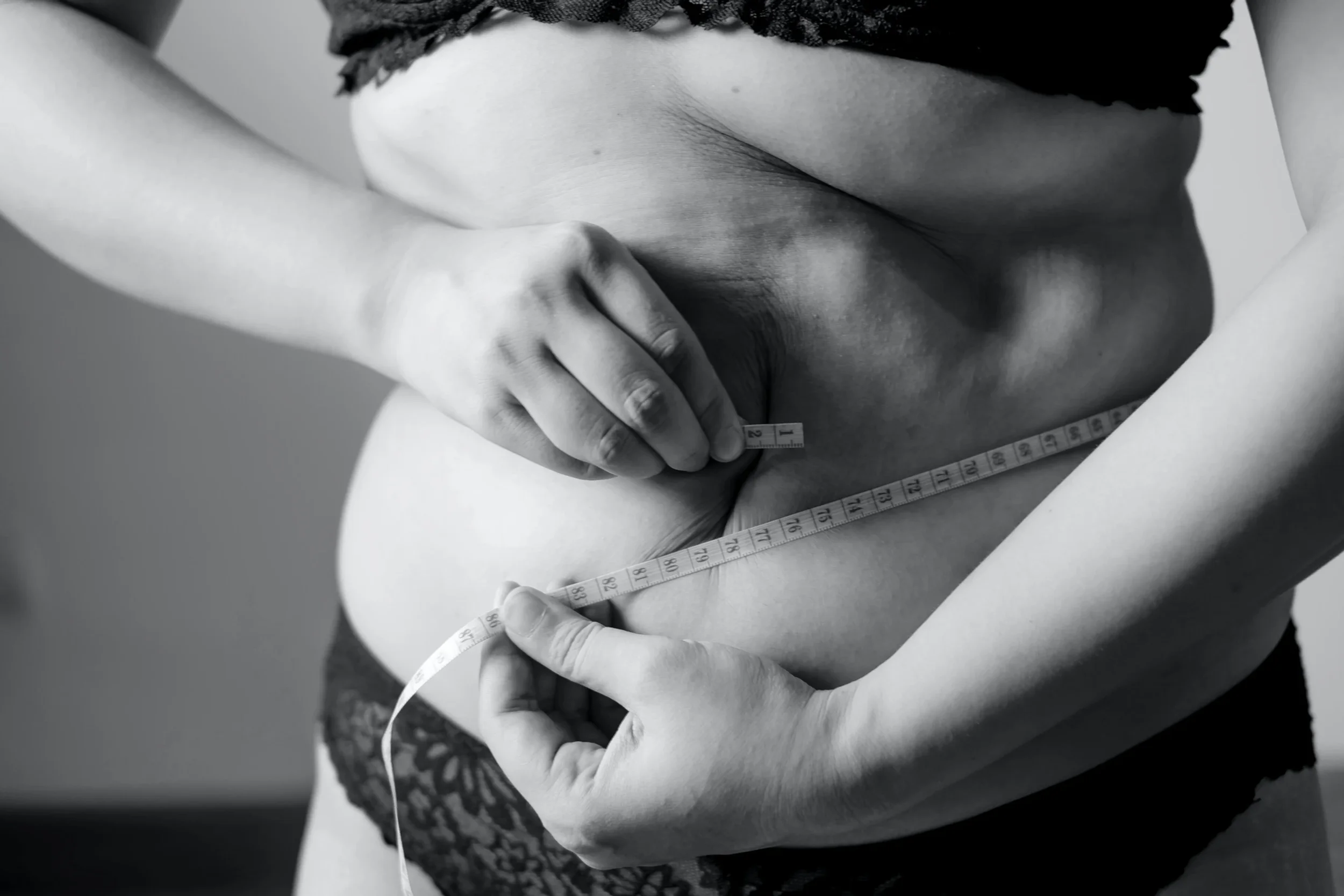
Understanding "Meno Belly": Abdominal Weight Gain During the Menopause Transition
During menopause, declining ovarian estrogen, increased estrone from visceral fat, and higher androgen levels in some women contribute to abdominal weight gain. This redistribution affects insulin sensitivity and cardiovascular risk, but interventions like hormone therapy, lifestyle modifications, and targeted medications can help mitigate the impact.